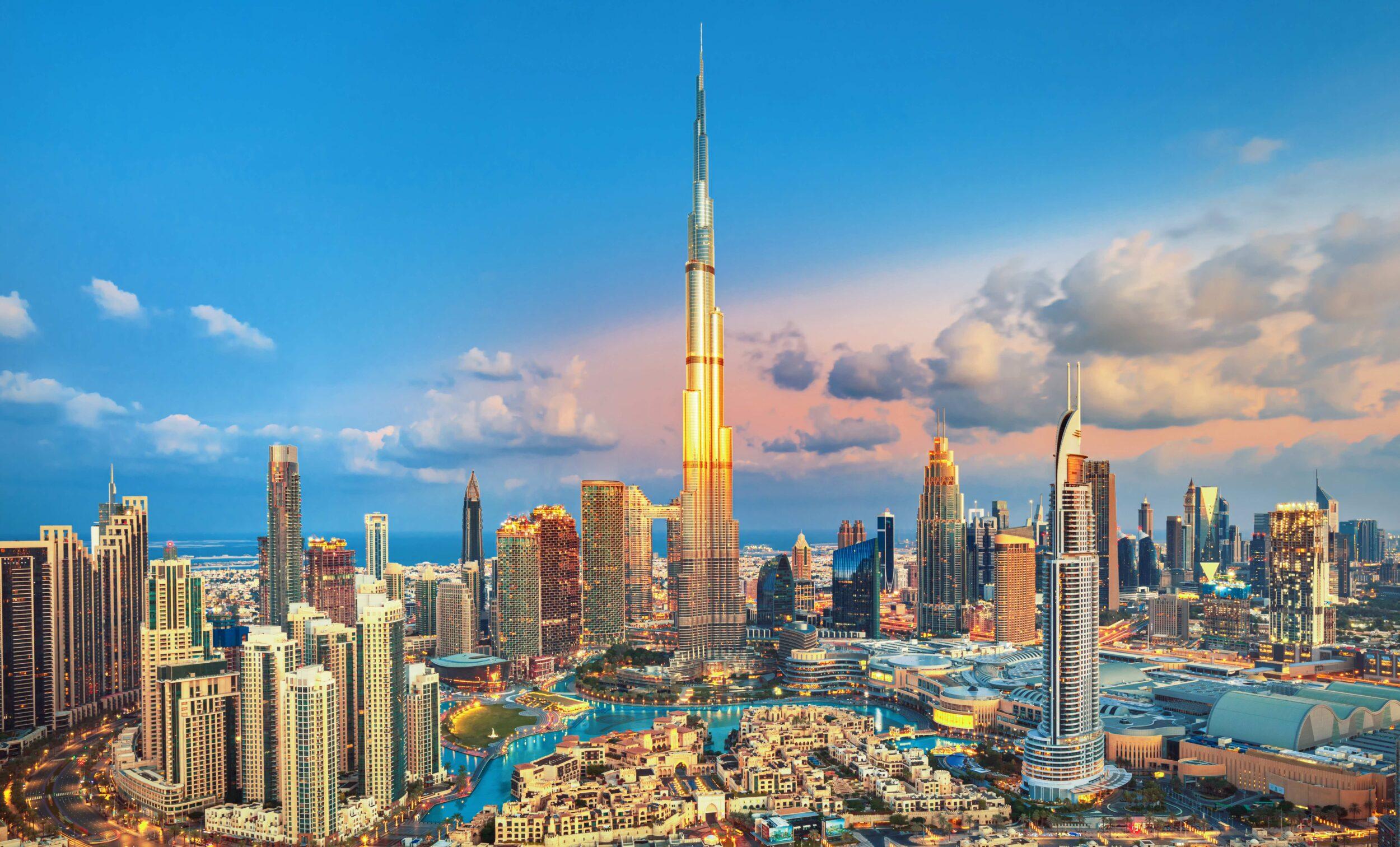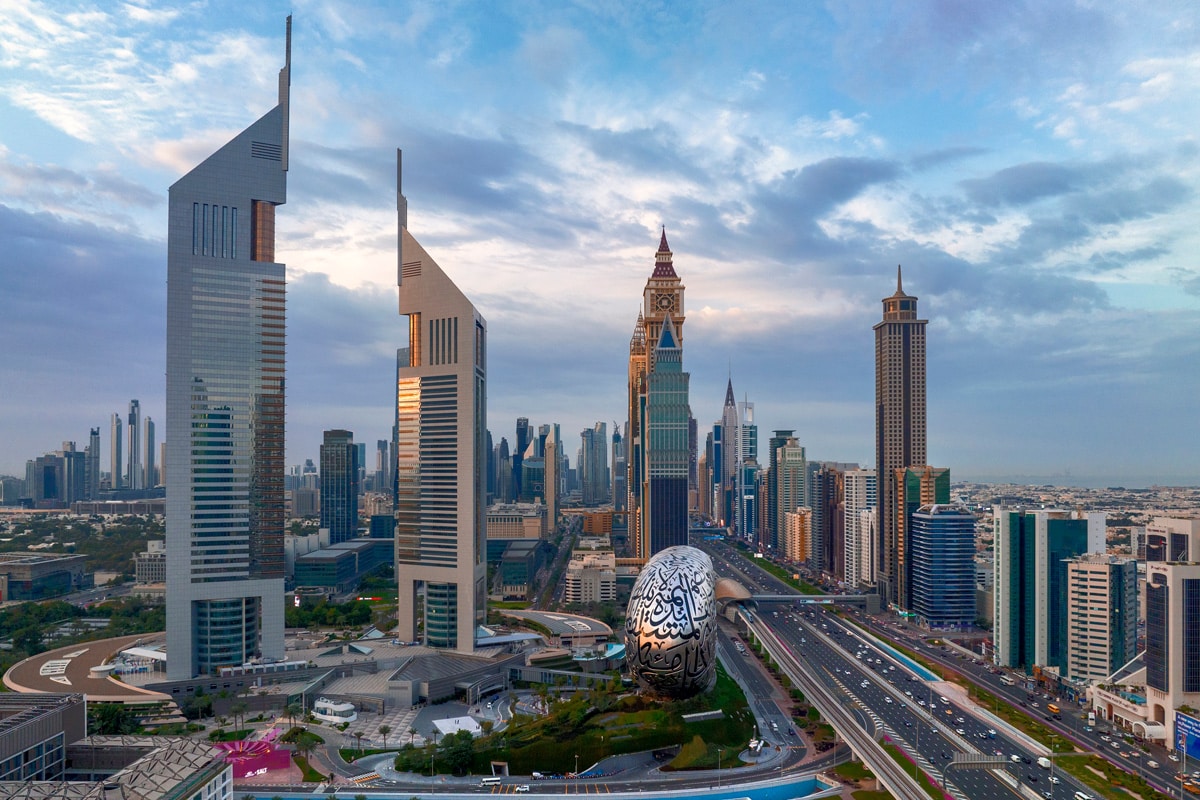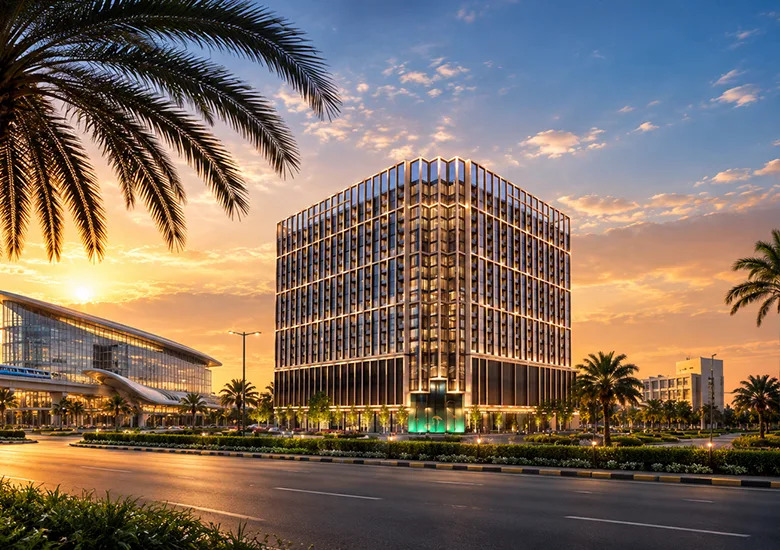

Dubai has developed into one of the world’s most recognised real estate investment destinations, attracting property buyers from Europe, Asia, the Middle East and other international markets. Its modern infrastructure, investor-friendly property regulations, diverse residential communities and growing global business environment have created opportunities for both experienced investors and people entering the Dubai property market for the first time.
For buyers searching for opportunities to buy property Dubai for investment, the market offers a broad selection of apartments, villas, townhouses, waterfront residences and off-plan developments. Investors can choose properties according to their objectives, whether they are focused on rental income, long-term capital growth, portfolio diversification or future personal use.
However, property investment should always involve more than selecting an attractive development. Location, property type, rental demand, community maturity, developer track record and future infrastructure are all important factors that can influence investment performance.
Why Buy Property Dubai for Investment?
Dubai combines international connectivity with a highly developed real estate sector. The emirate continues to attract businesses, professionals, entrepreneurs, tourists and long-term residents, creating demand across different residential property segments.
Dubai Land Department reported strong market activity during the first quarter of 2026, including growth in real estate investment and the number of investors entering the market. Foreign investment also remained an important part of Dubai's property sector.
Several characteristics contribute to the city's appeal for property investors.
International Investor Access
Dubai has designated freehold areas where foreign buyers can acquire property ownership. Dubai Land Department confirms that foreign ownership is permitted within designated freehold areas, giving international investors access to a wide variety of established and emerging communities.
This makes Dubai an accessible market for buyers who want to own property outside their home country.
Strong Rental Market
Dubai attracts a diverse population of professionals, business owners, families and international residents. This creates demand for different residential categories, including studios, family apartments, luxury residences, townhouses and villas.
Investors should evaluate rental demand at the individual community level rather than assuming every Dubai property will perform in the same way.
Modern Infrastructure
Dubai continues to develop transport networks, business districts, residential communities and lifestyle destinations. Connectivity to employment centres, schools, airports, retail centres and leisure destinations can significantly influence tenant demand and long-term property appeal.
Diverse Property Options
Another reason investors consider Dubai is the diversity of available real estate.
Investment options can include:
- Ready apartments
- Off-plan properties
- Waterfront residences
- Family villas
- Townhouses
- Branded residences
- Luxury apartments
- Properties near business districts
- Homes in master-planned communities
This variety allows investors to select assets according to their preferred investment strategy.
Choosing the Right Location for Dubai Property Investment
Location remains one of the most important considerations when purchasing property for investment.
A strong investment location should ideally combine accessibility, community infrastructure, tenant demand and future development potential.
Investors commonly evaluate factors such as:
- Access to major roads
- Metro and public transport connectivity
- Distance from business districts
- Nearby schools and healthcare
- Retail and leisure facilities
- Community amenities
- Future infrastructure projects
- Rental demand
- Availability of similar competing properties
Established communities can offer greater visibility regarding rental behaviour and existing amenities. Developing communities, meanwhile, may offer opportunities for investors seeking future growth as infrastructure and population increase.
The most suitable location ultimately depends on the investor's individual objective.
Ready Properties vs Off-Plan Properties in Dubai
People planning to buy property Dubai for investment often have to decide between ready and off-plan real estate.
Both categories can play different roles within an investment strategy.
Ready Properties
Ready properties are completed homes that investors can physically inspect before purchasing.
One of their main advantages is the potential to begin renting the property relatively quickly after completing the transaction and preparing the unit for occupancy.
Ready properties also allow investors to examine factors such as:
- Actual building quality
- Community condition
- Existing facilities
- Views and surroundings
- Current rental demand
- Property maintenance
- Building management
This can be attractive to investors who prefer an asset with an established operational history.
Off-Plan Properties
Off-plan properties are purchased before construction is completed.
They can appeal to investors who want exposure to new developments, emerging locations and modern community concepts.
Before investing, buyers should examine the developer's history, project registration, construction schedule, community master plan, contractual terms and intended completion timeline.
Investors should avoid selecting an off-plan project based only on promotional material. The wider location and long-term demand for the completed property remain important considerations.
Apartments, Villas or Townhouses: Which Is Better for Investment?
There is no single property category that suits every Dubai investor.
Apartments
Apartments can appeal to professionals, couples, small families and residents who prioritise accessibility and shared facilities.
Investors should evaluate building quality, service charges, nearby transport, unit layout and the number of competing properties within the same location.
Villas
Villas generally attract households looking for larger living spaces, privacy and family-oriented communities.
Communities with schools, parks, shopping facilities and convenient road access may appeal to longer-term family tenants.
Townhouses
Townhouses provide a balance between apartment living and larger standalone villas. They are particularly common within master-planned communities designed around parks, recreational spaces and family amenities.
Selecting between these property types should be based on local demand rather than personal preference alone.
Rental Yield and Long-Term Capital Growth
Two important objectives in property investment are rental income and capital appreciation.
Rental-focused investors may prioritise communities with consistent tenant demand, convenient transportation and practical unit sizes.
Investors focused on capital growth may examine developing communities, major infrastructure expansion, new business districts and areas undergoing long-term transformation.
Some investors prefer a balanced strategy that considers both potential rental income and future property appreciation.
Before making a decision, buyers should compare the expected rental income with ownership-related expenses and understand how market changes could affect returns.
Understand the Total Cost of Property Ownership
Successful property investment involves evaluating more than the property purchase itself.
Depending on the property, investors may need to account for expenses such as registration charges, agency-related costs, financing expenses where applicable, service charges, property management, maintenance and other ownership costs.
Service charges are particularly important for apartment investors because they can affect the property's net rental return.
Investors should therefore focus on net investment performance, rather than considering gross rental income alone.
Importance of Developer Reputation
The developer behind a property can have a significant influence on the overall investment experience.
When evaluating a development, investors should research:
- Previous completed projects
- Construction quality
- Delivery record
- Community planning
- Property management standards
- Building amenities
- Maintenance quality
- Reputation among existing owners
For off-plan investments, developer research becomes particularly important because the property is being purchased before completion.
A strong development concept must also be supported by realistic demand for the property's location and type.
Dubai Property Investment for International Buyers
Dubai's freehold framework enables international investors to purchase property within designated areas.
This has helped create a highly international property market containing buyers from numerous countries.
International investors should still understand all documentation involved in a transaction, including identity verification, sales agreements, ownership registration and financing requirements where applicable.
Investors buying remotely should also ensure that they work with authorised real estate professionals and verify important property information through official channels.
Property Investment and UAE Residency
Property ownership may also be relevant to UAE residency planning for qualifying investors.
The UAE's official Golden Visa framework includes a category for eligible real estate investors, subject to specific qualifying requirements. The programme can provide eligible investors with renewable long-term residence without requiring a traditional sponsor.
Because residency requirements and procedures can change, investors should always verify current eligibility through official UAE authorities rather than purchasing property based solely on visa expectations.
Conclusion
Choosing to buy property Dubai for investment can provide access to one of the world's most internationally connected property markets, but successful investing requires careful research rather than simply following popular locations or developments.
Location quality, tenant demand, developer reputation, property type, ownership costs, future infrastructure and supply should all form part of the investment decision.
Investors who define their objectives and analyse individual opportunities carefully are better positioned to build a property portfolio aligned with their long-term goals.
Frequently Asked Questions
Can foreigners buy investment property in Dubai?
Yes. Foreign investors can acquire property ownership in areas designated for foreign freehold ownership in Dubai. Buyers should verify the ownership status of the specific property or development before proceeding.
Is Dubai property suitable for long-term investment?
Dubai offers a broad property market supported by international demand, modern infrastructure and a large expatriate population. However, investment performance depends on factors such as location, property type, purchase conditions, rental demand and market cycles.
Is a ready or off-plan property better for investment?
Neither option is automatically better. Ready properties may appeal to investors seeking an existing asset and potential rental income, while off-plan developments may suit investors targeting new projects or developing communities. The appropriate choice depends on individual investment objectives.
What should I check before buying an investment property in Dubai?
Important considerations include developer reputation, project status, location, rental demand, service charges, building quality, community facilities, future supply, transport connectivity and legal documentation.
Which property type is suitable for Dubai investors?
Apartments, villas and townhouses can all provide investment opportunities. The suitable property depends on the target tenant, community demand, investment horizon and investor's broader financial strategy.