The Dubai real estate trends 2026 show a market that remains active, diverse, and increasingly selective. Buyers and investors are no longer looking only at citywide growth. They are paying closer attention to individual communities, property types, rental demand, new supply, infrastructure, and developer quality.
The Dubai property market 2026 continues to attract local residents, international investors, first-time buyers, and high-net-worth individuals. Strong infrastructure, freehold ownership, lifestyle appeal, business growth, and long-term residency options continue to support residential demand. However, performance now varies more clearly between established communities, emerging areas, villas, apartments, luxury homes, and off-plan projects.
Dubai Property Market 2026 Remains Active
The Dubai property market 2026 continues to show healthy activity across ready and off-plan segments. Buyers enter the market for rental income, capital growth, long-term residency, lifestyle, and portfolio diversification.
Key factors supporting demand include:
- International investor interest
- Population growth
- Expanding business activity
- Modern infrastructure
- Freehold property ownership
- High-quality residential developments
- Wide property choices
- Strong lifestyle appeal
Off-Plan Properties Continue to Drive Demand
Off-plan property remains one of the strongest Dubai real estate trends 2026. New launches attract investors because they often offer flexible payment plans, modern designs, new amenities, and access to emerging communities.
Off-plan buyers are commonly attracted by:
- Staged payment plans
- New residential communities
- Modern floor plans
- Lifestyle-focused amenities
- Potential capital appreciation
- Early access to developments
However, buyers should evaluate more than marketing material. Developer reputation, escrow registration, construction progress, handover expectations, future supply, and resale conditions all matter.
Dubai Property Prices 2026 Are More Location-Specific
Dubai property prices 2026 are increasingly influenced by community-level conditions. Some areas may continue to experience strong demand, while others may face more competition because of new supply.
Property values can be influenced by:
- Location
- Developer reputation
- Property type
- Community maturity
- Rental demand
- Nearby infrastructure
- Future handovers
- Quality of amenities
- Waterfront or golf access
- Service charges
Careful community-level analysis can therefore help buyers identify stronger opportunities while avoiding projects where future supply may weaken pricing or overall rental performance.
New Residential Supply Is Reshaping the Market
One of the most important Dubai housing market trends 2026 is new residential supply. New apartments, villas, and townhouses are entering the market through upcoming handovers.
New supply creates more choice for buyers and tenants, but it can also increase competition between landlords and sellers. Areas with many similar units may see slower rental growth or greater negotiation, while communities with limited stock may remain more resilient.
Investors should review:
- Upcoming units
- Expected handovers
- Competing developments
- Occupancy levels
- Tenant demand
- Community infrastructure
- Resale activity
Rental Market Growth Is Becoming More Balanced
Dubai’s rental market remains a major part of the real estate story. Population growth and continued migration support tenant demand, but rental conditions are becoming more balanced in some locations.
Apartment-heavy communities may experience more competition as new supply is delivered. Villa communities, especially established family-oriented areas, may remain stronger where available inventory is limited.
Rental investors should consider:
- Gross rental yield
- Net rental yield
- Service charges
- Maintenance costs
- Vacancy risk
- Tenant profile
- Lease renewal trends
- Competing units
Villas and Townhouses Remain Popular
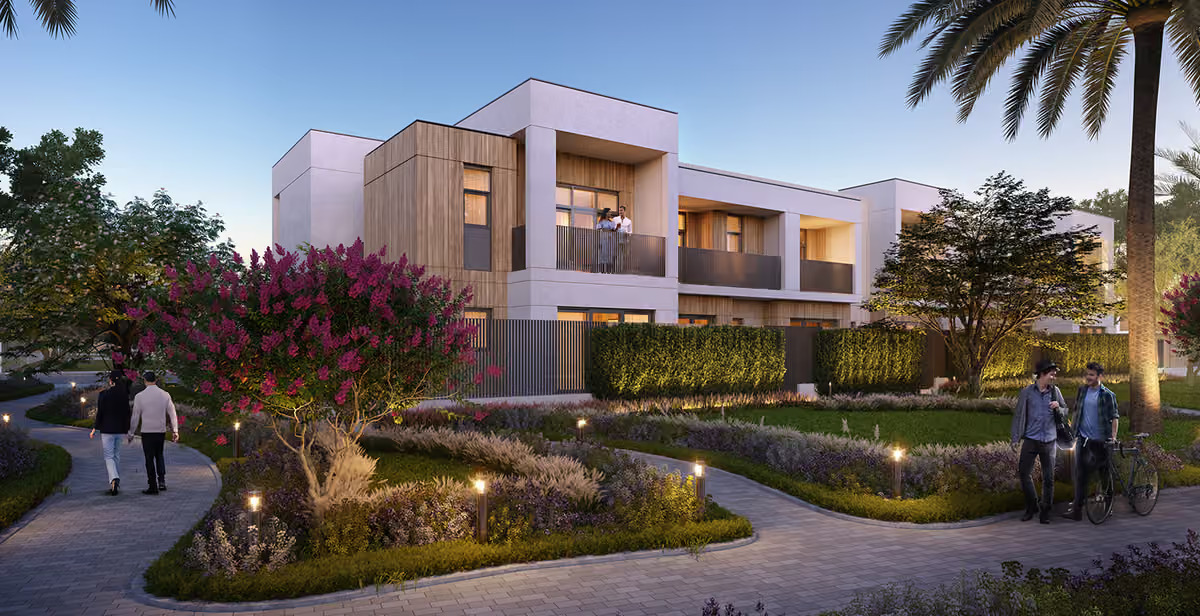
Demand for villas and townhouses continues to be important in Dubai housing market trends 2026. Families and long-term residents often prefer larger homes, private outdoor space, schools, parks, and community amenities.
Popular features include:
- Private gardens
- Larger layouts
- Gated communities
- Family-friendly facilities
- Green spaces
- Schools nearby
- Better privacy
Limited villa supply in established communities can support pricing and rental demand compared with apartment-heavy districts.
Luxury Real Estate Continues to Attract Global Buyers
Dubai’s luxury property market remains attractive to wealthy international buyers. Prime apartments, penthouses, branded residences, waterfront homes, and high-end villas continue to draw interest from investors seeking lifestyle value and long-term wealth preservation.
Luxury buyers often focus on:
- Prime locations
- Privacy
- Waterfront access
- Architectural quality
- Branded residences
- Large layouts
- Limited supply
- Premium amenities
Waterfront Communities Remain in Demand
Waterfront living continues to be one of Dubai’s strongest lifestyle themes. Areas offering beach access, marina views, promenades, and resort-style amenities remain attractive to residents and investors.
Well-known waterfront locations include Palm Jumeirah, Dubai Marina, Dubai Creek Harbour, Dubai Islands, Jumeirah Beach Residence, and Bluewaters Island.
Buyers should compare infrastructure, future supply, community maturity, and rental demand before investing in newer waterfront developments.
Infrastructure Is Supporting New Growth Areas
Infrastructure continues to influence real estate demand across Dubai. New roads, transport links, metro expansion, airport development, and commercial districts can improve accessibility and increase the long-term appeal of nearby communities.
Investors should watch:
- Metro connectivity
- Major road links
- Airport access
- Business districts
- Schools
- Retail centres
- Employment hubs
Dubai South Is Gaining Long-Term Attention
Dubai South continues to attract attention because of its connection to Al Maktoum International Airport, logistics, aviation, and future urban development.
The area may benefit from long-term infrastructure and employment growth. However, buyers should review project quality, future supply, handover schedules, community facilities, and rental demand before making a decision.
First-Time Buyers Are Becoming More Important
Another notable trend in the Dubai real estate market 2026 is the growing importance of first-time homebuyers and end users.
More residents are considering ownership instead of renting, especially in communities offering practical layouts, schools, transport, retail, and long-term liveability.
This shift supports a healthier market because owner-occupiers often focus on genuine community value rather than short-term resale opportunities.
Technology Is Improving Market Transparency
Dubai’s property market continues to become more digital. Online services, digital registrations, transaction platforms, property data, and smart systems are making it easier for buyers and investors to research and complete transactions.
Improved transparency helps buyers compare projects, verify information, and make better-informed decisions.
What Investors Should Watch in 2026
Investors should focus on real market indicators instead of relying only on headlines.
Important factors include:
- Transaction activity
- Off-plan versus ready sales
- Price per square foot
- Rental demand
- Net rental yield
- Upcoming supply
- Developer track record
- Infrastructure growth
- Community maturity
- Resale liquidity
The strongest opportunities are likely to come from properties with clear tenant demand, strong locations, quality developers, and realistic long-term value.
Conclusion
The Dubai real estate trends 2026 show a market that remains attractive but increasingly selective. Strong investor demand, off-plan activity, luxury property interest, population growth, infrastructure development, and new residential supply are shaping performance.
The most important change is that the Dubai real estate market 2026 should no longer be judged by citywide averages alone. Buyers need to compare communities, property types, supply levels, rental demand, and long-term infrastructure.
For investors and homebuyers, careful research is becoming more important. Lovino Real Estate can help buyers explore established and emerging Dubai communities and identify opportunities that match lifestyle needs, rental goals, and long-term investment plans.
Frequently Asked Questions
1. What are the main Dubai real estate trends in 2026?
The main Dubai real estate trends 2026 include strong off-plan activity, increasing residential supply, continued luxury property demand, infrastructure-led growth, stable rental demand, and greater differences in performance between individual communities.
2. Is the Dubai property market 2026 good for investment?
The Dubai property market 2026 continues to offer opportunities for investors, especially in locations with strong rental demand, quality infrastructure, reputable developers, and limited competing supply. Buyers should compare communities and projects carefully before investing.
3. Are Dubai property prices increasing in 2026?
Dubai property prices 2026 vary by location, property type, supply, and demand. Some established and high-demand communities may show stronger resilience, while areas with significant new inventory may experience more competitive pricing.
4. Is off-plan property still popular in Dubai in 2026?
Yes. Off-plan property remains popular because of flexible payment plans, new project launches, modern amenities, and access to emerging communities. Investors should also check developer reputation, construction progress, handover timelines, and future supply.
5. What are the key Dubai housing market trends 2026?
Key Dubai housing market trends 2026 include growing demand for villas and townhouses, increasing residential handovers, stronger end-user participation, continued rental demand, and more focus on infrastructure, connectivity, and community liveability.