Foreign investment in Dubai real estate continues to play an important role in the growth of one of the world’s most internationally connected property markets. Dubai attracts investors from Europe, Asia, the Middle East, Africa and the Americas because of its transparent property ownership framework, modern infrastructure, international lifestyle and wide range of residential and investment opportunities.
For overseas buyers, Dubai offers something particularly important: foreigners can own freehold property in designated areas. According to the Dubai Land Department, foreign nationals are permitted to acquire freehold title in areas designated for foreign ownership, giving investors long-term ownership rights over eligible properties.
Combined with continuous infrastructure development and a diversified economy, this ownership framework has helped make foreign investment in Dubai real estate increasingly attractive to both individual buyers and international investors.
Why Foreign Investors Are Choosing Dubai Real Estate
Dubai has developed far beyond its traditional image as a tourism and business destination. It is now a global residential hub where professionals, entrepreneurs, families and investors from numerous countries establish long-term connections.
One of Dubai's major strengths is its international accessibility. Dubai International Airport connects the emirate with major global cities, while the ongoing development of Al Maktoum International Airport and Dubai South is expected to further strengthen the city's position as an international transport and commercial centre.
Investors also benefit from a sophisticated property ecosystem incorporating regulated developers, registered brokers, property management companies, digital government services and transparent registration procedures.
Recent market figures continue to demonstrate significant international participation. Dubai Land Department reported that during the first quarter of 2026, the value of foreign real estate investment increased by 26% year on year, while the number of foreign investments increased by 11%. The broader investor base also expanded during the period.
These figures illustrate the continuing importance of overseas capital within Dubai's property sector.
Can Foreigners Buy Property in Dubai?
Yes. Foreign nationals can purchase freehold properties within areas approved for foreign ownership.
Freehold ownership provides an investor with ownership of the property without a time restriction, subject to applicable laws and regulations. Dubai also permits foreign nationals to obtain certain other property interests within designated areas, including long-term leasehold and usufruct rights.
Dubai Land Department provides property information that allows buyers to identify whether a property is classified as freehold. Its property-status system specifically indicates that freehold properties can be purchased by all nationalities.
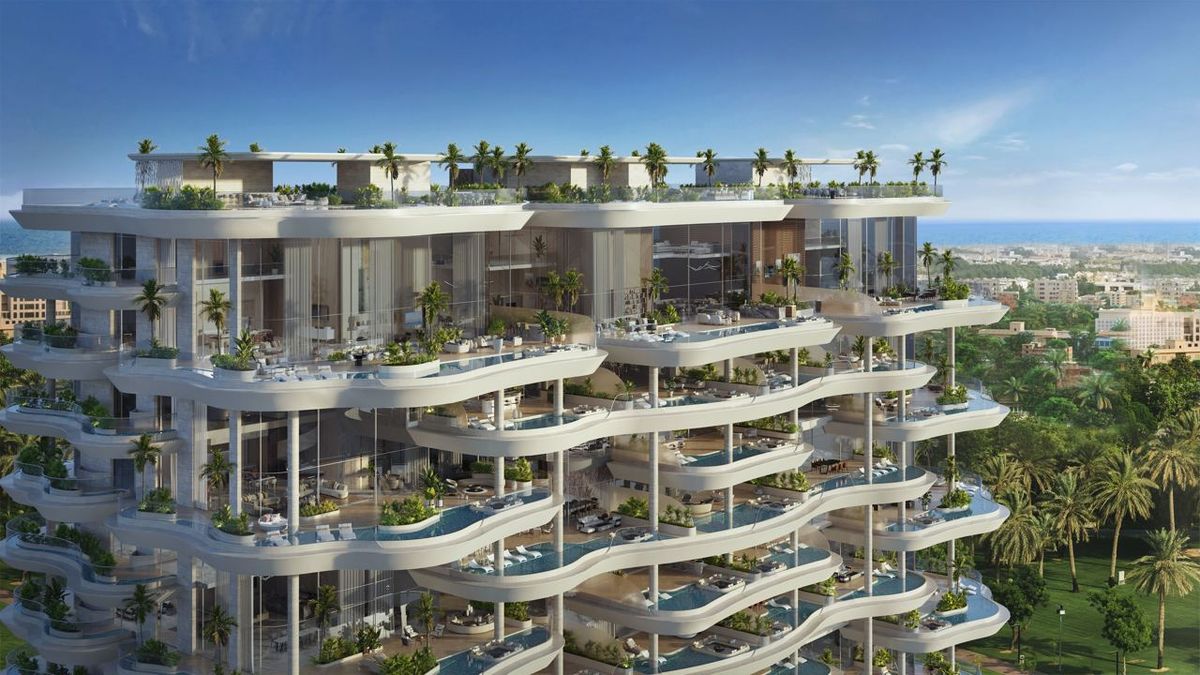
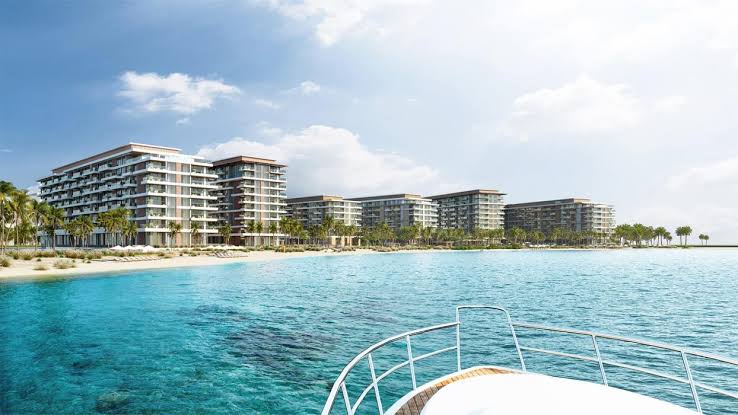
Popular freehold communities include established and emerging locations across Dubai, giving international investors access to apartments, villas, townhouses, branded residences and waterfront properties.
Investors should nevertheless confirm the property's ownership classification before entering into a transaction.
Popular Areas for Foreign Property Investment in Dubai
The right location depends on an investor's objectives. Someone seeking rental demand may have different priorities from a buyer seeking long-term capital appreciation or a luxury residence.
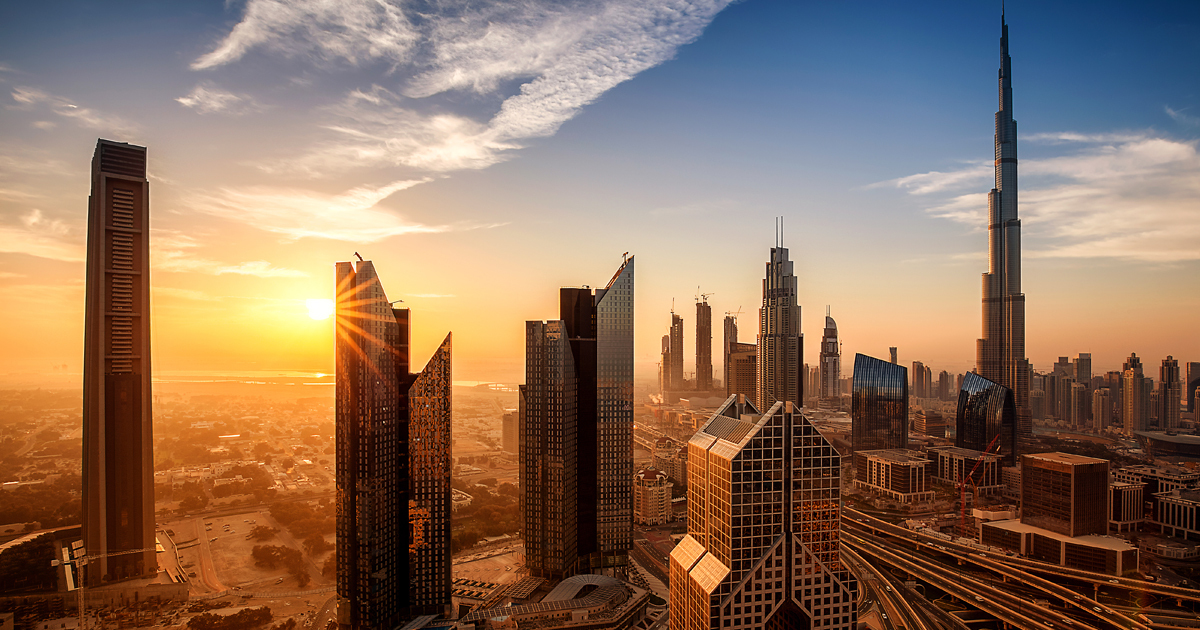
Downtown Dubai remains attractive because of its central location, established infrastructure and internationally recognised lifestyle environment. Dubai Marina is another established investment destination with residential towers, waterfront living and strong connectivity.
Business Bay appeals to investors looking for properties close to Downtown Dubai and Dubai's commercial districts. Palm Jumeirah remains prominent within the luxury property segment, particularly among international buyers seeking exclusive waterfront residences.
Dubai Hills Estate attracts families and long-term residents because of its villas, apartments, green spaces and community facilities.
Emerging destinations such as Dubai South, Dubai Islands and other master-planned communities are also attracting investor attention as Dubai expands its residential, tourism and infrastructure network.
Rather than selecting an area purely because it is popular, foreign investors should assess supply, future development, connectivity, tenant demographics and long-term demand.
Benefits of Foreign Investment in Dubai Real Estate
Dubai provides several structural advantages for international property investors.
Freehold Ownership Opportunities
The availability of designated freehold areas allows international buyers to legally own eligible real estate in Dubai. This established ownership framework has been one of the most important factors supporting international participation in the market.
International Rental Demand
Dubai has a highly international population consisting of professionals, entrepreneurs and families from around the world. This creates demand across different rental categories, from affordable apartments to premium waterfront residences and family villas.
Investors who select communities with employment access, transport connectivity and lifestyle infrastructure can potentially benefit from sustained tenant demand.
Modern Infrastructure
Dubai continuously invests in roads, public transportation, airports, commercial centres, schools, healthcare and tourism infrastructure.
Property values are frequently influenced by accessibility and surrounding development. Investors should therefore evaluate upcoming infrastructure alongside the existing qualities of a community.
Diverse Property Choices
Foreign investors are not restricted to one category of real estate.
Dubai offers:
- Apartments in high-rise communities
- Waterfront residences
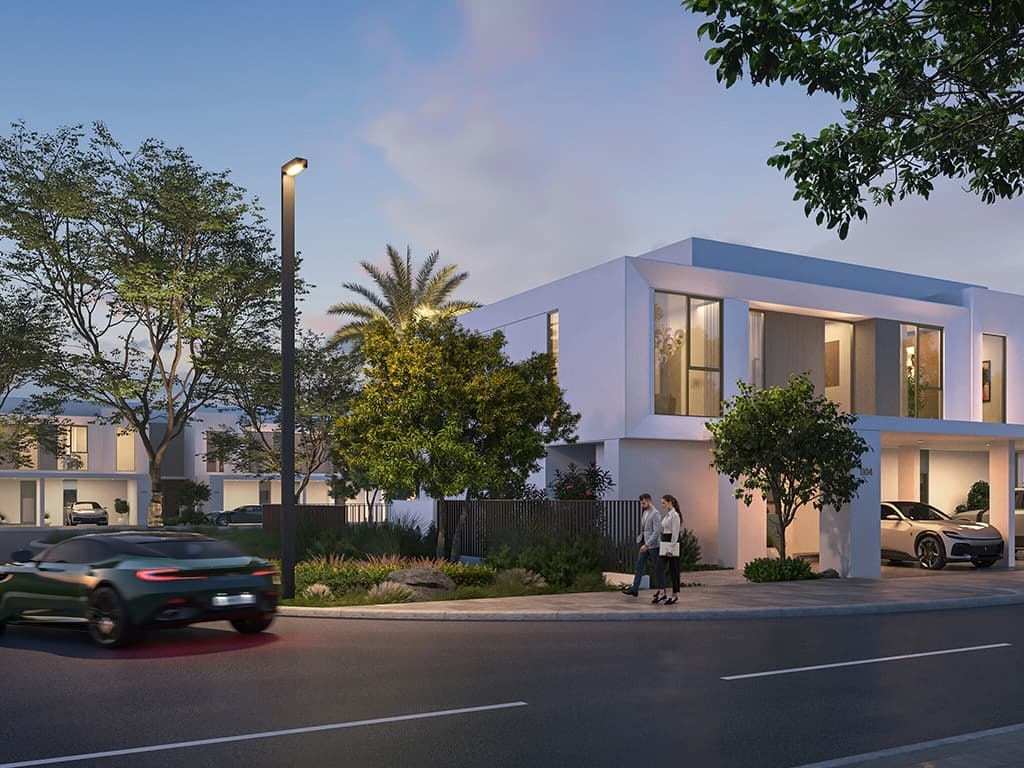
- Villas and townhouses
- Branded residences
- Off-plan developments
- Ready properties
- Luxury homes
- Commercial real estate
This diversity allows investors to build strategies around rental income, long-term ownership, portfolio diversification or future capital appreciation.
Off-Plan vs Ready Property for Foreign Investors
Another important decision when considering foreign investment in Dubai real estate is whether to purchase an off-plan or completed property.
Off-plan properties are purchased during development. They can offer access to newly planned communities, modern designs and phased payment structures. Investors should carefully examine the developer's history, project registration, construction status, location and expected future supply before committing.
Ready properties provide greater visibility because investors can inspect the completed unit, surrounding community and existing infrastructure. They may also offer the possibility of generating rental income sooner.
Neither category is automatically better. The appropriate choice depends on investment horizon, risk tolerance and financial objectives.
Legal Due Diligence for Overseas Property Buyers
Due diligence is essential for anyone investing from outside the UAE.
Investors should verify the property, developer, broker and transaction documentation through official sources where possible.
Dubai Land Department emphasises that real estate transactions involving ownership or transfer must be registered with the department to protect investor rights; transactions that are not registered in its registers are considered invalid.
Before purchasing, investors should review:
- Property ownership status
- Developer registration
- Project registration for off-plan developments
- Broker credentials
- Contract terms
- Service charges
- Payment schedules
- Completion expectations
- Community regulations
- Property management requirements
For significant investments or complex ownership structures, obtaining qualified legal and financial advice can also be valuable.
Property investment should primarily make sense as a real estate decision, with residency considered an additional potential benefit where applicable.
Conclusion
Foreign investment in Dubai real estate remains an important component of the emirate's property market. Freehold ownership for international buyers in designated areas, strong infrastructure, global connectivity, rental demand and an established regulatory environment have helped position Dubai as an attractive destination for international property investment.
However, successful investment requires careful consideration of location, property type, developer reputation, future supply, rental demand and legal documentation.
Whether the goal is purchasing a rental property, diversifying an international portfolio, acquiring a second home or securing a long-term asset in Dubai, investors should approach each opportunity with a clear strategy.
With professional market guidance and proper due diligence, international buyers can explore Dubai's established communities and emerging investment destinations while making decisions aligned with their long-term property objectives.
Frequently Asked Questions
1. Can foreigners invest in Dubai real estate?
Yes. Foreign nationals can purchase freehold properties in designated freehold areas across Dubai, subject to applicable property regulations.
2. Is Dubai real estate suitable for international investors?
Dubai attracts international investors because of its freehold ownership framework, strong rental demand, modern infrastructure, global connectivity, and diverse property options.
3. Which areas are popular for foreign property investment in Dubai?
Popular locations include Downtown Dubai, Dubai Marina, Business Bay, Palm Jumeirah, Dubai Hills Estate, Dubai South, and Dubai Islands.
4. Can foreigners buy off-plan property in Dubai?
Yes. International investors can purchase eligible off-plan properties from registered developers. Buyers should verify the developer, project registration, payment terms, and completion details before investing.
5. Can foreign investors manage Dubai property from overseas?
Yes. Many overseas owners use professional property management services for leasing, maintenance, tenant communication, and day-to-day property management.