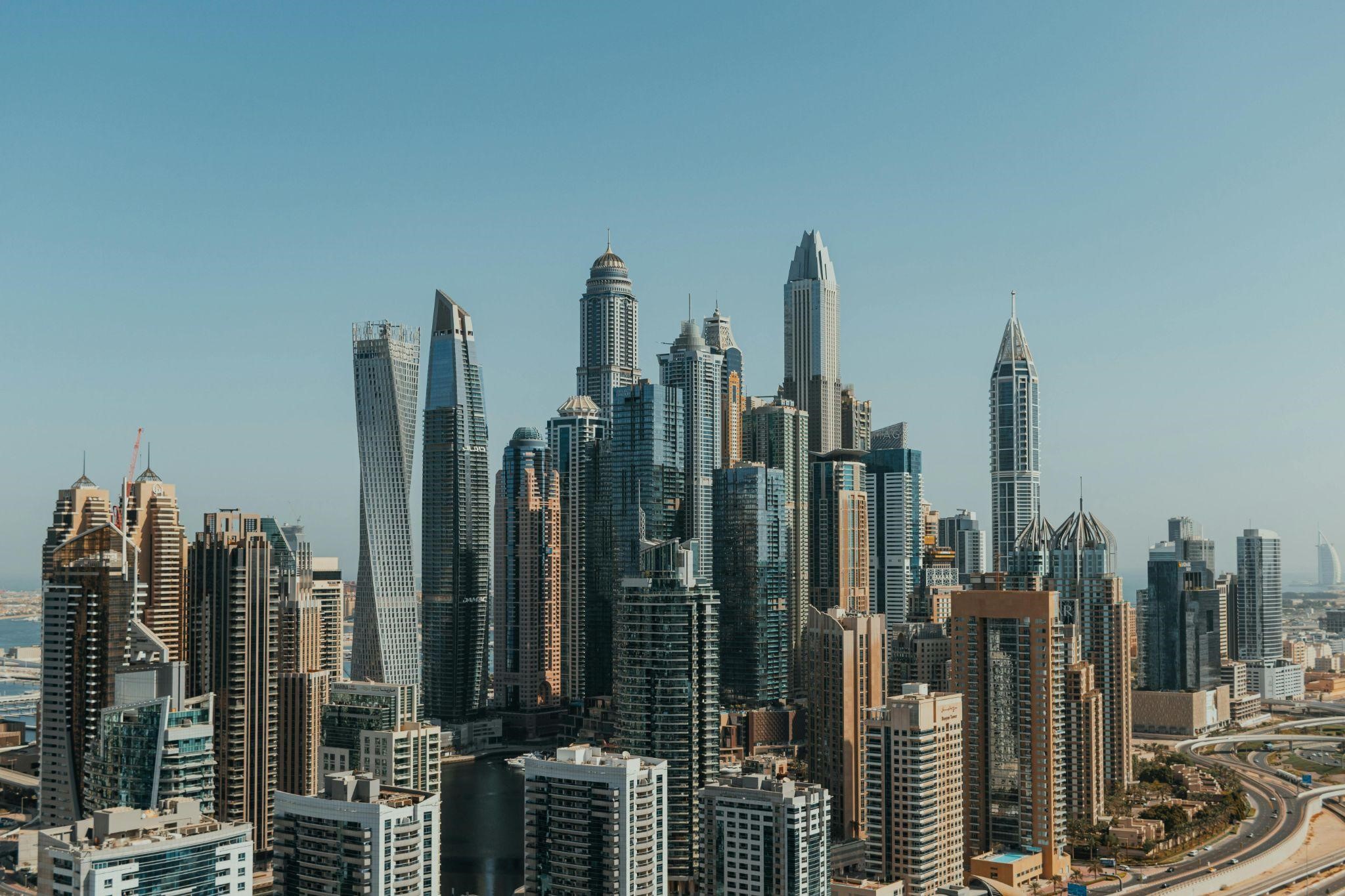
The United Arab Emirates has established itself as one of the most attractive real estate investment destinations globally. Supported by modern infrastructure, economic diversification, international connectivity and investor-friendly regulations, the country continues to attract property buyers seeking long-term growth and portfolio diversification.
Understanding the latest UAE property investment insights is essential for investors looking to make informed decisions in an evolving real estate market. From Dubai's luxury residential communities to Abu Dhabi's emerging waterfront developments, the UAE offers diverse opportunities across residential and commercial property sectors.
As the country advances its ambitious urban development strategies, investors are increasingly focusing on location potential, infrastructure expansion, rental demand and sustainable communities.
Why the UAE Remains an Attractive Property Investment Destination
The UAE real estate market benefits from a combination of economic stability, international investment participation and government-led development initiatives. These factors contribute to a competitive property environment that appeals to both experienced and first-time investors.
Several advantages strengthen the country's investment landscape:
- Strategic Global Location: The UAE connects major international markets across Asia, Europe and Africa.
- Modern Infrastructure: Advanced road networks, international airports and public transportation support residential development.
- Investor-Friendly Regulations: Designated freehold ownership areas enable eligible international buyers to acquire property.
- Economic Diversification: Growth across technology, tourism, finance and logistics supports housing demand.
- Lifestyle Advantages: International schools, healthcare facilities and recreational destinations attract residents.
Together, these characteristics create an environment where property investment can support long-term financial planning, although market performance varies by location and property type.
UAE Real Estate Market Trends Shaping Investment Decisions in 2026
Understanding current market trends allows investors to identify opportunities and anticipate changing property demand.
The UAE property market continues to evolve through new residential launches, infrastructure developments and growing interest in lifestyle-oriented communities.
Abu Dhabi's official real estate market report recorded significant residential transaction activity during the first half of 2026, with off-plan developments representing a substantial share of residential sales. This highlights the importance of understanding construction pipelines and future supply when evaluating opportunities.
Growing Interest in Off-Plan Properties
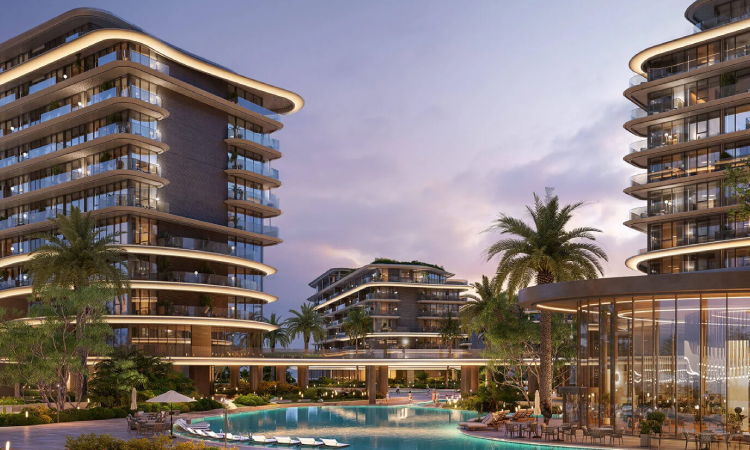
Off-plan properties remain an important segment of the UAE residential market. Investors often explore these developments to access modern designs, integrated amenities and locations undergoing transformation.
However, developer reliability, construction schedules, project registration and future community demand require careful assessment.
Increasing Demand for Integrated Communities
Residential communities featuring schools, parks, retail destinations and wellness facilities continue to attract investor attention.
Buyers increasingly prioritise developments that provide convenient access to essential services while supporting comfortable daily living.
Sustainability and Smart Living
Energy-efficient buildings, smart home systems and environmentally responsible designs are becoming important considerations.
Developments incorporating sustainable infrastructure may appeal to environmentally conscious residents and investors focused on future market expectations.
Dubai Property Investment Insights: Locations with Long-Term Potential
Dubai remains a major destination for international real estate investors because of its established property ecosystem, global connectivity and diversified residential communities.
However, investment performance differs significantly across districts, making location research particularly important.
Dubai Creek Harbour
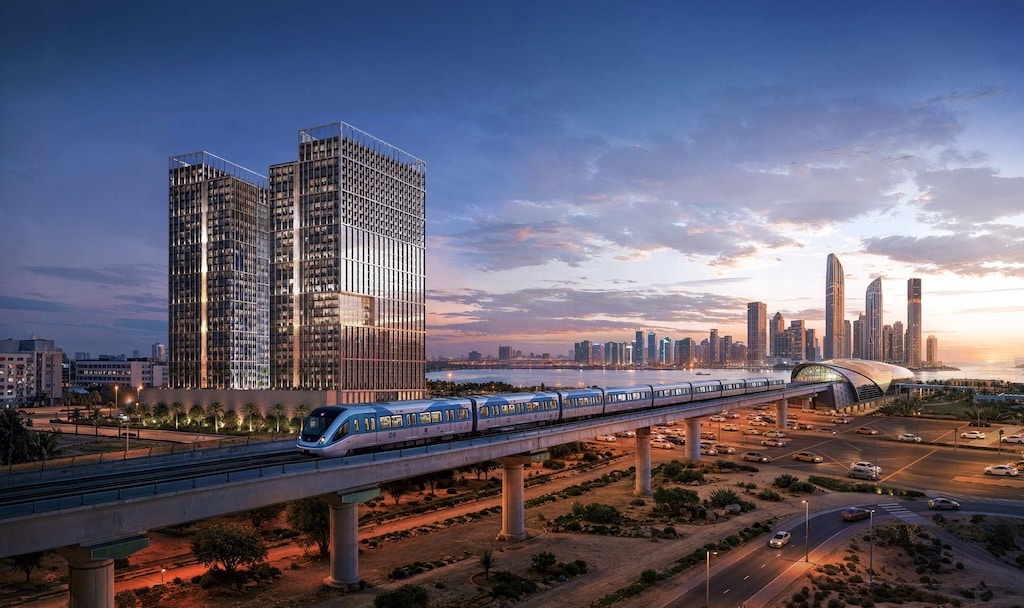
Dubai Creek Harbour combines waterfront residences, contemporary architecture and proximity to established commercial districts.
Its residential developments appeal to buyers seeking modern community environments with access to leisure destinations.
Dubai South
Dubai South is attracting attention because of its proximity to Al Maktoum International Airport and planned aviation-related infrastructure expansion.
The area's long-term development strategy presents opportunities connected to logistics, employment growth and residential community development.
Dubai Hills Estate
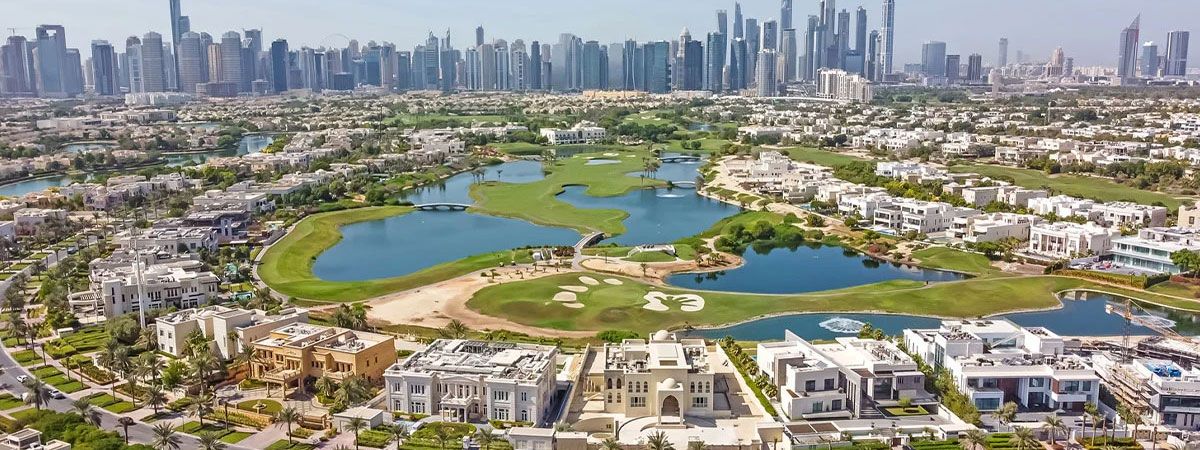
Dubai Hills Estate offers landscaped residential neighbourhoods, recreational facilities and convenient access to major road networks.
Its combination of apartments, townhouses and villas supports demand from different residential buyer categories.
Dubai Islands
Dubai Islands represents an evolving waterfront development destination with planned residential, hospitality and leisure facilities.
Investors evaluating this location should consider development timelines, accessibility and the gradual establishment of surrounding infrastructure.
Abu Dhabi Property Investment Opportunities and Emerging Communities
Abu Dhabi is increasingly recognised for its premium residential developments, cultural destinations and long-term urban planning.
The emirate offers opportunities across established residential districts and expanding investment zones.
According to the Abu Dhabi Real Estate Centre, international participation increased during the first half of 2026, reflecting growing investor interest in the emirate's property sector.
Yas Island
Yas Island combines entertainment attractions, hospitality developments and residential communities.
Its apartments, villas and townhouses appeal to investors interested in lifestyle-oriented neighbourhoods and potential rental demand.
Saadiyat Island
Saadiyat Island is recognised for its beaches, cultural institutions, educational facilities and premium residential developments.
The island appeals to buyers seeking distinctive waterfront environments and long-term ownership opportunities.
Al Reem Island
Al Reem Island provides high-rise residential communities with access to Abu Dhabi's commercial and business districts.
Its apartment developments attract attention from professionals, families and investors seeking established urban locations.
Off-Plan vs Ready Properties: Understanding Investment Strategies
Selecting between off-plan and completed properties is an important decision when investing in UAE real estate.
Off-plan properties provide exposure to developments that are still under construction. Investors should evaluate the developer's track record, project specifications, regulatory approvals and expected completion schedule.
Potential advantages include:
- Access to newly planned residential communities.
- Contemporary layouts and architectural designs.
- Opportunities within emerging development locations.
- Potential capital appreciation as surrounding infrastructure develops.
Ready properties offer an alternative approach because the physical condition, surrounding neighbourhood and existing amenities can be assessed before purchase.
They may also provide opportunities for immediate occupancy or rental income, depending on property readiness and market conditions.
The appropriate strategy depends on investment objectives, financing arrangements, risk tolerance and the intended ownership period.
Understanding Rental Demand and Long-Term Property Returns
Rental income remains an important consideration for investors assessing residential properties across the UAE.
However, rental performance is influenced by several interconnected factors rather than location alone.
Important considerations include:
- Accessibility to employment and commercial districts.
- Proximity to schools, transport networks and healthcare.
- Building maintenance and property management quality.
- Tenant preferences and neighbourhood facilities.
- Competing residential supply and occupancy trends.
Investors should distinguish between gross rental yield and net rental yield, as ongoing operating expenses affect actual investment performance.
Capital appreciation should also be evaluated separately from rental income. Neither future appreciation nor rental returns are guaranteed.
A comprehensive assessment helps investors understand both income potential and long-term market risks.
Foreign Property Ownership and Investor Regulations in the UAE
The UAE offers defined property ownership frameworks that enable international buyers to participate in designated real estate markets.
In Dubai, eligible foreign nationals can acquire freehold properties within approved areas. Abu Dhabi also permits foreign ownership within designated investment areas, subject to applicable regulations.
Investors should understand the following before purchasing:
- Property ownership classification and title registration.
- Developer licensing and project registration.
- Applicable service charges and maintenance responsibilities.
- Mortgage eligibility and financing requirements.
- Contractual obligations and property transfer procedures.
Some qualifying property investments may also support eligibility for long-term residency under UAE Golden Residency rules, subject to official requirements and approval.
Professional legal and financial guidance can help buyers navigate these requirements.
Key Factors to Consider Before Investing in UAE Real Estate
Successful property investment requires more than selecting an attractive development.
Investors should adopt a structured evaluation process that considers both immediate conditions and future market changes.
Location and Infrastructure Development
Review planned transport networks, surrounding commercial activity, community facilities and accessibility.
Developer Reputation
Examine completed developments, construction history, project quality and delivery performance.
Market Demand
Assess resident demographics, tenant preferences, occupancy conditions and competing residential developments.
Long-Term Investment Objectives
Determine whether the primary objective is rental income, capital appreciation, personal use or portfolio diversification.
Future Outlook for UAE Property Investment Beyond 2026
The UAE's real estate future is closely connected to economic diversification, transport expansion, sustainable development and population growth.
Dubai's long-term urban planning initiatives and Abu Dhabi's expanding residential communities are expected to influence where future housing demand develops.
Waterfront destinations, mixed-use neighbourhoods, smart residential buildings and transit-connected communities may continue attracting investment attention.
Nevertheless, investors should examine actual project delivery, infrastructure progress and market absorption rather than assuming every emerging location will experience appreciation.
The strongest opportunities are often those supported by realistic demand, established developers and sustainable community development.
Conclusion
Understanding UAE property investment insights helps investors navigate market developments, identify suitable locations and make informed real estate decisions.
Dubai and Abu Dhabi continue to offer diverse residential opportunities supported by infrastructure investment, international connectivity and evolving lifestyle expectations.
However, successful investment requires careful market research, realistic financial planning and a clear understanding of potential risks.
For buyers exploring property investment opportunities across the UAE, Lovino Real Estate provides professional guidance, market knowledge and personalised assistance to help identify properties aligned with individual investment goals.
Frequently Asked Questions
1. Is UAE real estate a good long-term investment?
UAE property can offer long-term investment opportunities through rental income and potential capital appreciation. However, results depend on location, market conditions, property management and investment strategy.
2. Can foreign investors buy property in the UAE?
Yes. Eligible foreign investors can purchase properties in designated ownership areas, subject to the regulations applicable to each emirate.
3. Which UAE locations attract property investors?
Dubai Creek Harbour, Dubai South, Yas Island, Saadiyat Island and Al Reem Island are among the locations attracting investor attention. Suitability depends on individual objectives.
4. Are off-plan properties suitable for long-term investment?
Off-plan developments may suit long-term investors who understand construction risks, developer credibility and potential market changes before completion.
5. What should investors research before buying UAE property?
Investors should review ownership regulations, developer reputation, rental demand, location accessibility, service charges and long-term development plans.