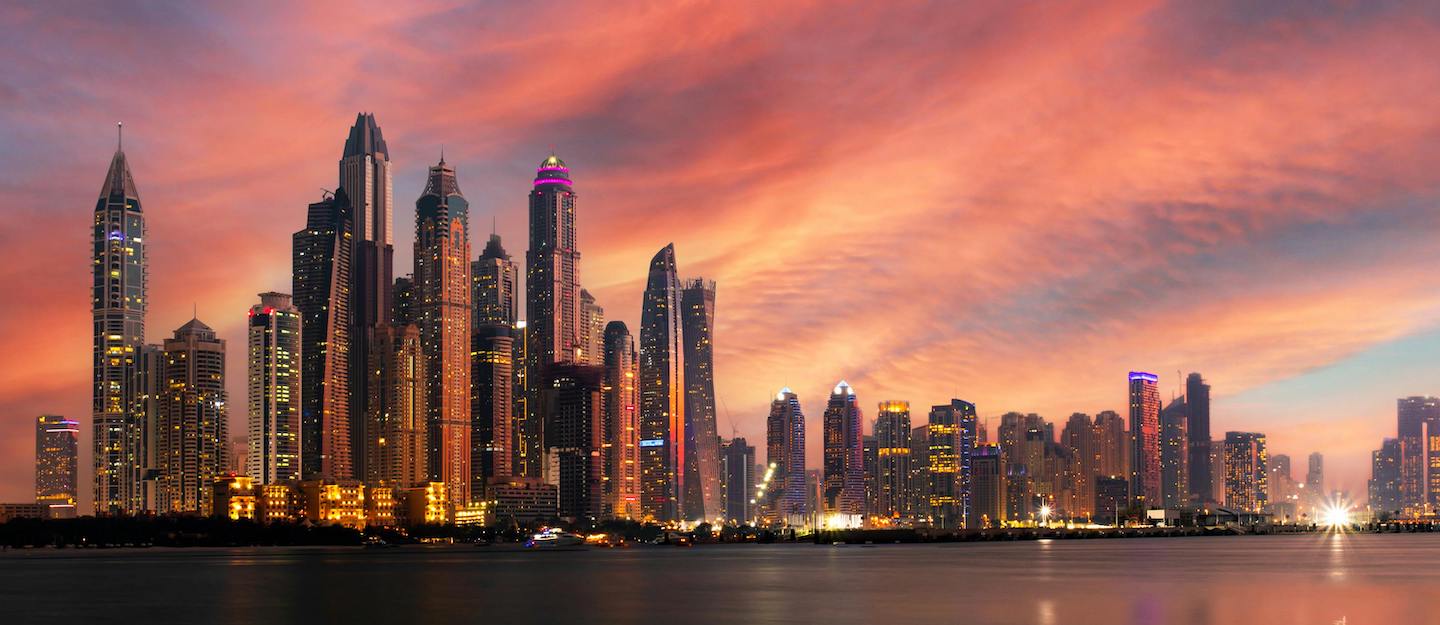
Dubai has developed into one of the world’s most recognised real estate investment destinations, attracting buyers from the UAE, India, Europe, the UK, Asia, and other international markets. Modern infrastructure, investor-friendly property ownership regulations, expanding communities, global connectivity, and a diverse economy continue to support interest in Dubai property investment.
For investors, Dubai offers a broad property market covering apartments, villas, townhouses, waterfront residences, branded developments, ready properties, and off-plan opportunities. Each segment provides different advantages depending on an investor’s objectives, preferred holding period, rental strategy, and lifestyle requirements.
However, successful property investment requires more than choosing an attractive development. Buyers should carefully consider location, developer reputation, community infrastructure, rental demand, property quality, connectivity, supply levels, and long-term development plans before making a decision.
This guide explores the important factors investors should understand when considering property investment in Dubai.
Why Dubai Property Investment Attracts Global Buyers
Dubai's property market benefits from the city's position as an international business, tourism, lifestyle, and aviation hub. The emirate continues to attract professionals, entrepreneurs, families, companies, and international residents, creating demand across both residential ownership and rental markets.
One of the major advantages of Dubai property investment is the variety of opportunities available. Investors can choose between established locations with existing infrastructure and emerging areas designed around future transportation networks, commercial districts, entertainment destinations, and new residential communities.
Dubai also offers designated freehold areas where eligible international buyers can own property. This has helped create a diverse investor market with buyers from many countries considering Dubai real estate for rental income, capital growth potential, portfolio diversification, personal use, or long-term residency planning.
The city's combination of residential development, employment opportunities, tourism activity, and continued infrastructure expansion supports its position within the global property market.
Understanding Dubai's Property Market
Dubai is not a single property market. Different communities can perform very differently depending on location, property type, tenant demand, infrastructure, supply, and buyer preferences.
Central areas may attract professionals who value accessibility to commercial districts. Waterfront communities can appeal to buyers seeking premium residences and lifestyle amenities. Villa communities often attract families looking for privacy, larger homes, schools, parks, and community facilities.
Emerging districts can also attract investors looking for longer-term growth opportunities connected to future infrastructure and master development plans.
Before investing, buyers should therefore evaluate individual communities rather than relying only on general Dubai property market trends.
Important factors include:
- Accessibility to major roads and public transport
- Distance from employment and commercial districts
- Availability of schools, healthcare and retail
- Community quality and property management
- Current and future residential supply
- Rental demand from relevant tenant groups
- Developer track record
- Planned infrastructure and surrounding developments
A strong investment decision should balance these considerations with the buyer's financial and property objectives.
Ready Property Investment in Dubai
Ready properties are completed homes that investors can physically inspect before completing a purchase. They can include apartments, villas, townhouses, penthouses, and other residential options across established and developing communities.
One advantage of ready property is that buyers can assess the actual building, unit condition, views, facilities, parking, surrounding infrastructure, and community environment.
Investors purchasing a property for rental purposes may also be able to begin their leasing strategy shortly after completing the required ownership procedures.
Established communities can provide additional visibility because investors can review existing rental activity, occupancy conditions, comparable properties, building management standards, and surrounding infrastructure.
Ready properties may therefore suit investors who prioritise completed assets, immediate usability, and easier assessment of the property's existing environment.
Off-Plan Dubai Property Investment
Off-plan property refers to real estate purchased while a project is under construction or before construction has been completed.
Dubai has a significant off-plan market, with new developments being introduced across established communities, waterfront districts, expanding suburban areas, and new master-planned destinations.
Off-plan properties can appeal to investors because they provide access to newly designed residences featuring modern layouts, contemporary architecture, updated amenities, smart-home technology, and community-focused environments.
However, buyers should conduct detailed research before purchasing an off-plan property.
Important considerations include the developer's previous delivery record, project registration, construction progress, payment structure, expected completion schedule, community master plan, surrounding infrastructure, and potential supply of similar properties.
Investors should also consider whether their objective is to hold the property after completion, use it personally, rent it, or potentially sell it later depending on market conditions.
Best Property Types for Dubai Real Estate Investment
There is no single property type suitable for every investor. Different residential categories serve different tenant and buyer segments.
Apartments
Apartments remain an important part of the Dubai property market. They are available across business districts, waterfront destinations, suburban communities, and mixed-use developments.
Studios and one-bedroom apartments may attract individual professionals, while larger apartments can appeal to couples, families, and tenants looking for additional space.
Investors should compare building quality, service charges, accessibility, amenities, layouts, and rental demand when evaluating apartments.
Villas
Dubai villas typically attract families and residents seeking privacy, larger living spaces, gardens, community facilities, and quieter residential environments.
Villa communities located near schools, business districts, leisure facilities, and major transport routes can experience sustained demand from long-term residents.
Townhouses
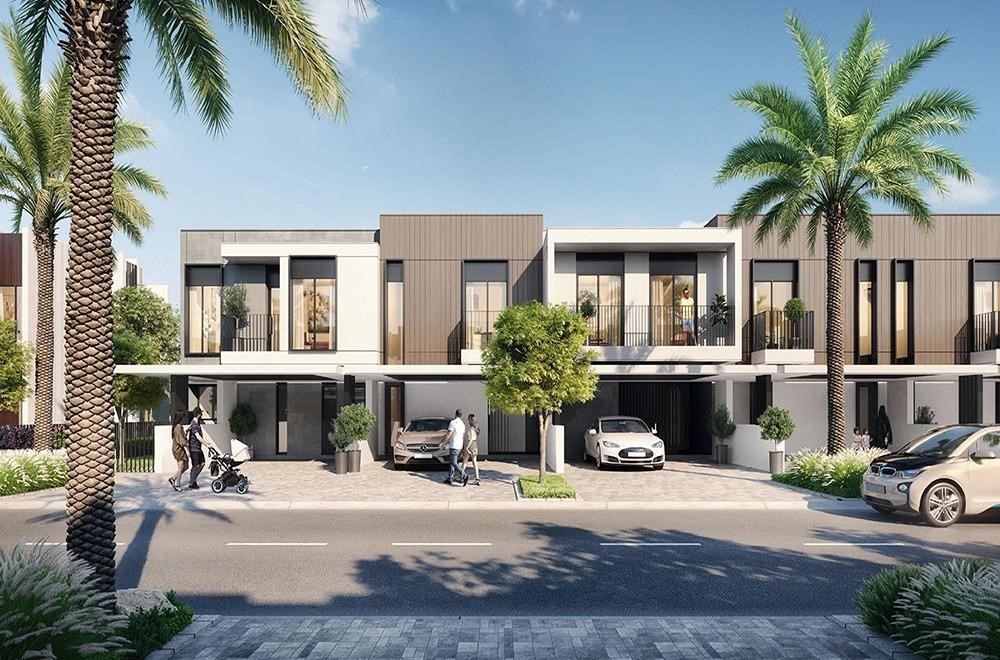
Townhouses can provide a balance between apartment living and larger standalone villas. They are increasingly common within Dubai's master-planned communities.
These properties can appeal to families searching for multiple bedrooms, outdoor areas, community parks, swimming pools, sports facilities, and family-focused amenities.
Waterfront Properties
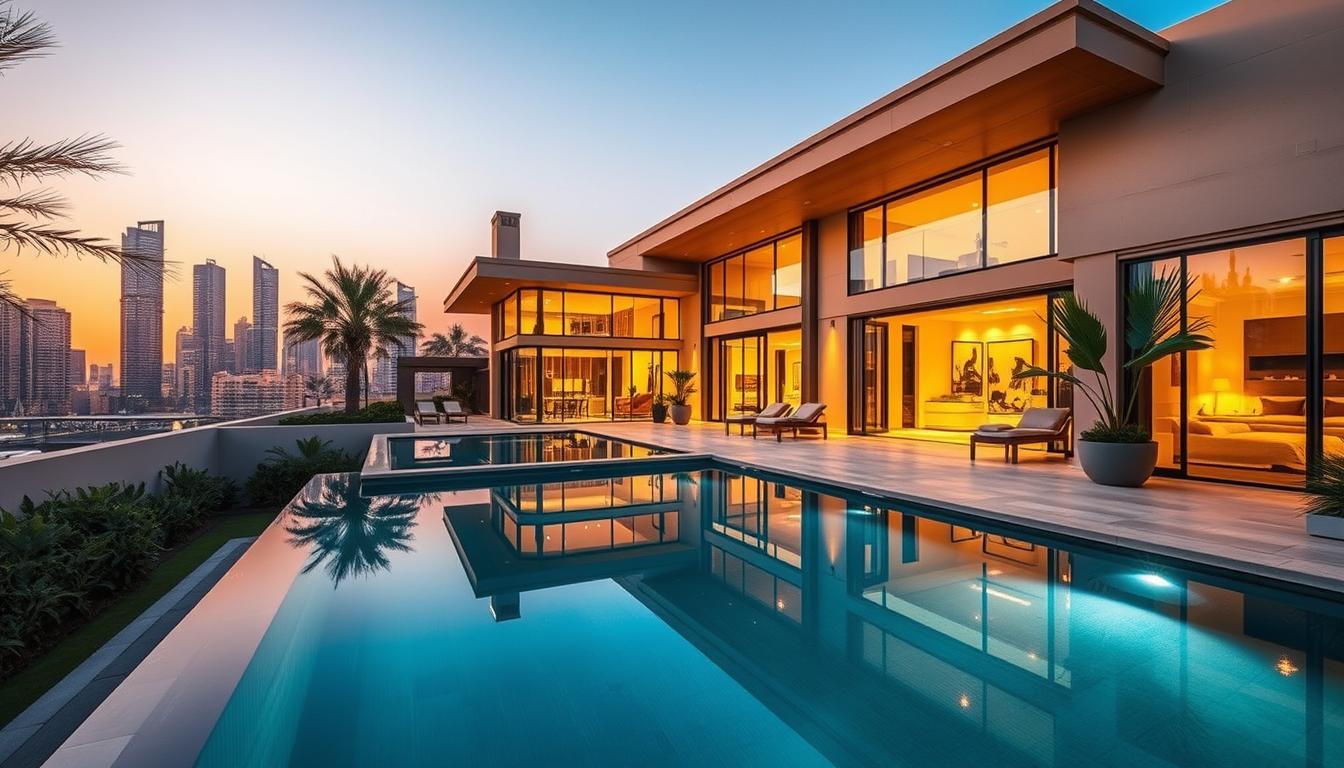
Waterfront apartments and residences remain a distinctive part of Dubai's luxury property market.
Areas with marina, canal, sea, creek, or beach access can attract both end users and international investors. Investors should consider view quality, access, development density, building standards, and surrounding lifestyle infrastructure when evaluating waterfront opportunities.
Property Investment for International Buyers
Dubai's international accessibility makes its real estate market attractive to overseas buyers.
Many investors consider Dubai property as part of a broader global real estate portfolio. Others purchase residences for future relocation, holiday use, rental income, or long-term asset ownership.
International buyers should understand the full transaction process, including property registration, documentation, financing options where applicable, service charges, property management, and local regulations.
Working with a knowledgeable Dubai real estate professional can make it easier to compare communities and identify properties aligned with specific investment requirements.
How to Evaluate a Dubai Property Investment
Before selecting a property, investors should conduct a structured evaluation.
Consider the property's location, quality, community, developer, rental demand, expected holding period, service charges, nearby infrastructure, competing supply, and future development pipeline.
Investors should also determine their main objective before beginning their property search.
For example, an investor seeking stable long-term rental demand may prioritise established residential communities. Someone with a longer investment horizon may consider emerging areas where major infrastructure development is underway.
Understanding the objective helps narrow the property search and prevents decisions based purely on marketing or short-term market activity.
Conclusion
Dubai property investment offers a diverse range of opportunities for local and international buyers looking at apartments, villas, townhouses, waterfront homes, ready properties, and off-plan developments.
The strongest investment decisions are based on careful research rather than choosing a property solely because it is newly launched or located in a popular area. Investors should evaluate community fundamentals, developer credibility, tenant demand, property quality, infrastructure, future supply, and their own investment objectives.
Whether the goal is long-term ownership, rental income, portfolio diversification, or purchasing a home in Dubai, understanding the market is essential before making a commitment.
Lovino Real Estate can help buyers explore suitable Dubai communities and property opportunities based on their lifestyle preferences and investment objectives.
Frequently Asked Questions
Is Dubai property suitable for international investors?
Dubai has designated freehold areas where eligible international buyers can purchase property. Investors should verify the ownership rules and documentation applicable to the specific property they are considering.
Is ready or off-plan property better for investment?
Both can be suitable depending on the investor's objectives. Ready properties allow investors to inspect the completed home and may provide quicker access to the rental market, while off-plan properties offer opportunities within newly developing projects and communities.
Which property type has strong rental demand in Dubai?
Rental demand depends on the community and tenant profile. Apartments can attract professionals and smaller households, while villas and townhouses can appeal strongly to families seeking larger homes and community facilities.
What should investors check before buying Dubai property?
Important areas include the property's legal status, location, developer, building quality, community infrastructure, rental demand, future supply, service charges, transportation access, and surrounding development plans.
Is location important for property investment in Dubai?
Yes. Accessibility, nearby employment centres, transport, schools, retail, lifestyle facilities, and future infrastructure can influence both tenant demand and long-term buyer interest.