Dubai continues to attract international property investors through its modern infrastructure, diversified economy, strategic location, and progressive real estate regulations. Understanding the latest Dubai real estate investment trends is essential for investors seeking long-term capital appreciation, sustainable rental income, and opportunities in emerging residential communities.
The Dubai property market entered 2026 following a record year of real estate activity in 2025. However, changing global economic conditions, regional uncertainty, and increasing residential supply have encouraged investors to adopt more selective strategies. Location quality, developer credibility, rental demand, and long-term investment fundamentals are becoming increasingly important.
From luxury waterfront developments to emerging master-planned communities, Dubai offers multiple investment opportunities. This guide explores the important trends influencing the Dubai real estate market in 2026 and the factors investors should evaluate before making property decisions.
Dubai Real Estate Market Growth and Investment Outlook
Dubai's property sector has experienced significant expansion, supported by international investment, population growth, and government-backed economic development initiatives.
According to Dubai Land Department, the emirate recorded more than 270,000 real estate transactions during 2025, demonstrating substantial market participation.
The first quarter of 2026 also recorded strong transaction activity. Nevertheless, subsequent market reports identified moderating residential demand, increased supply, and growing caution among investors.
Several structural factors continue to support Dubai's long-term property market:
- Economic diversification and international business expansion
- Foreign investment and expatriate housing demand
- Long-term residency initiatives for eligible investors
- Continued infrastructure and transportation development
- Transparent property registration and regulatory systems
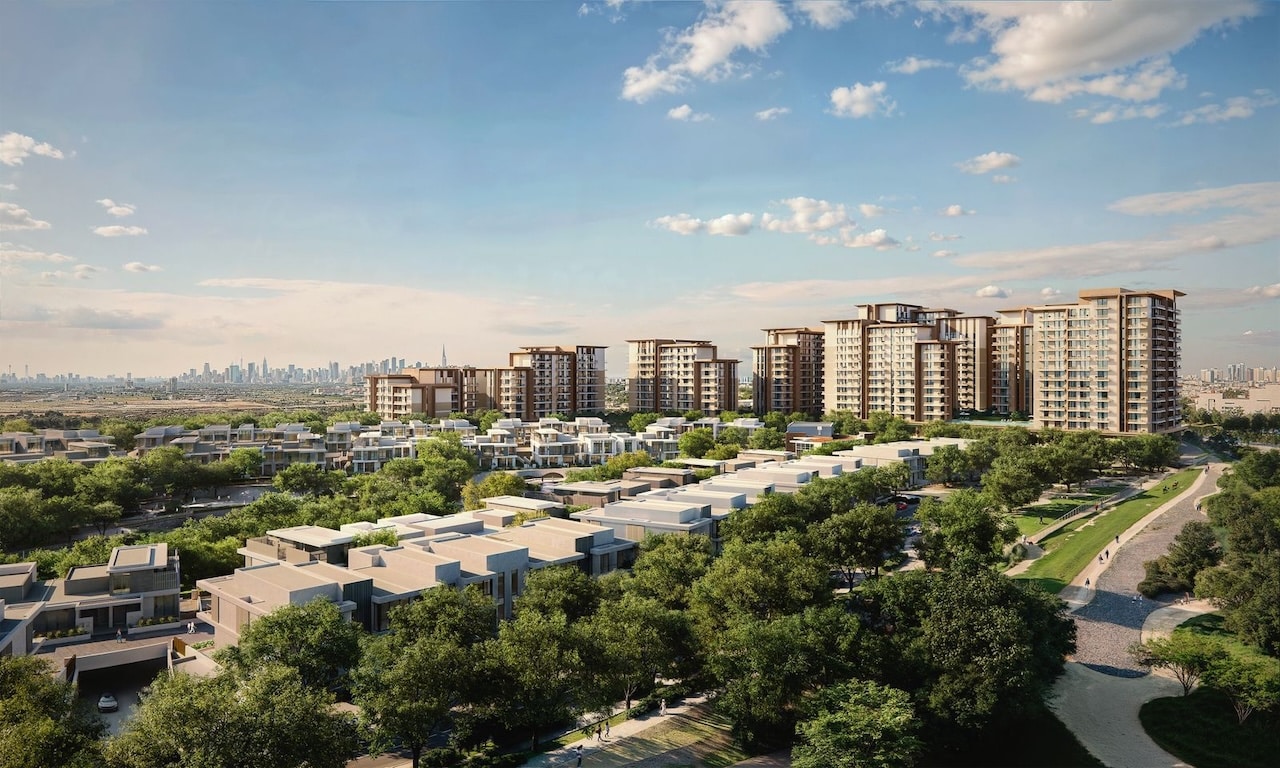
- Development of integrated residential communities
These factors influence Dubai property investment opportunities while encouraging buyers to evaluate individual developments rather than relying exclusively on historical market growth.
Growing Demand for Off-Plan Property Investments
One of the most influential Dubai real estate investment trends is the continued importance of off-plan residential developments.
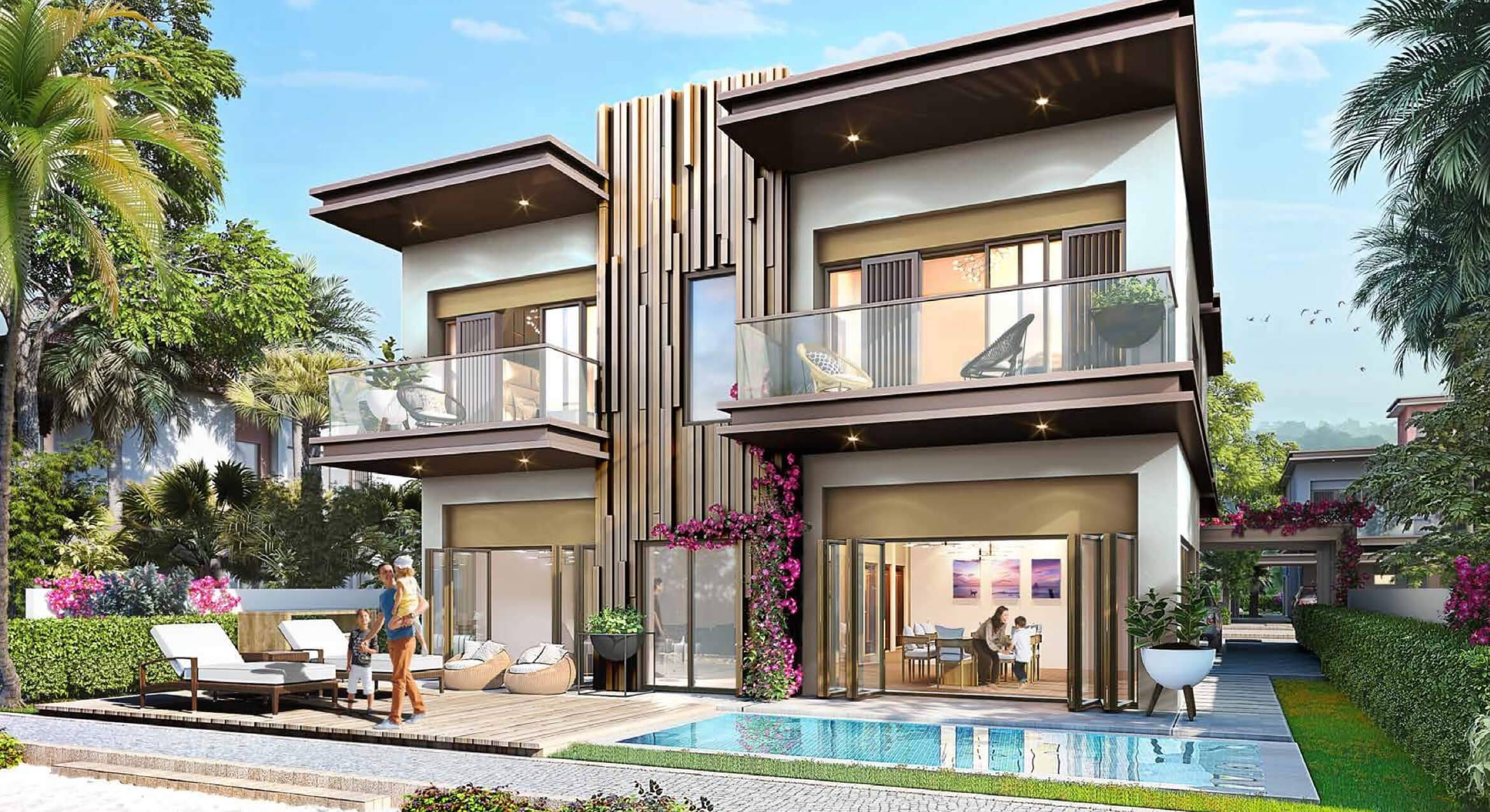
Off-plan properties allow investors to purchase homes during the development phase, often with structured payment schedules and access to newly designed residential communities.
During the first half of 2026, off-plan transactions accounted for a substantial majority of Dubai's residential sales.
Several characteristics contribute to this demand:
- Access to newly launched residential developments
- Flexible developer payment structures
- Contemporary architecture and modern layouts
- Integrated lifestyle facilities and community amenities
- Potential capital appreciation before project completion
- Opportunities within developing master-planned destinations
However, off-plan investments involve construction, delivery, liquidity, and market risks.
Investors should examine developer track records, Dubai Land Department registration, project completion schedules, and escrow arrangements before committing to any development.
Increasing Interest in Luxury and Waterfront Properties
Luxury residential developments remain an important segment of the Dubai real estate investment market.
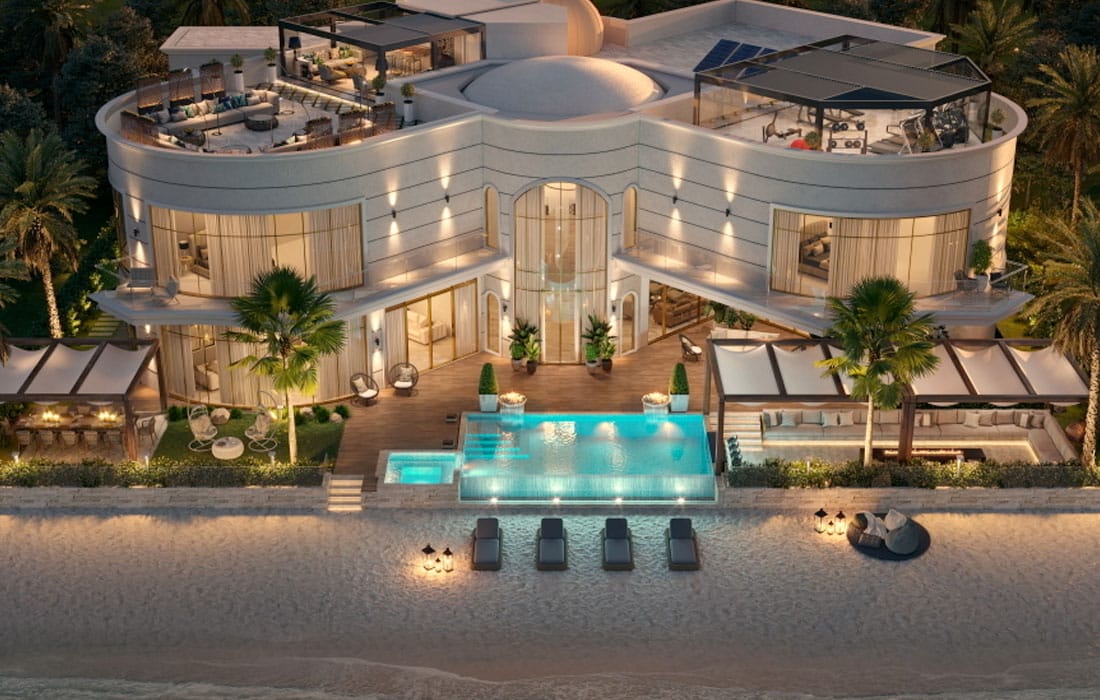
International investors continue exploring premium apartments, beachfront residences, waterfront villas, and exclusive branded developments.
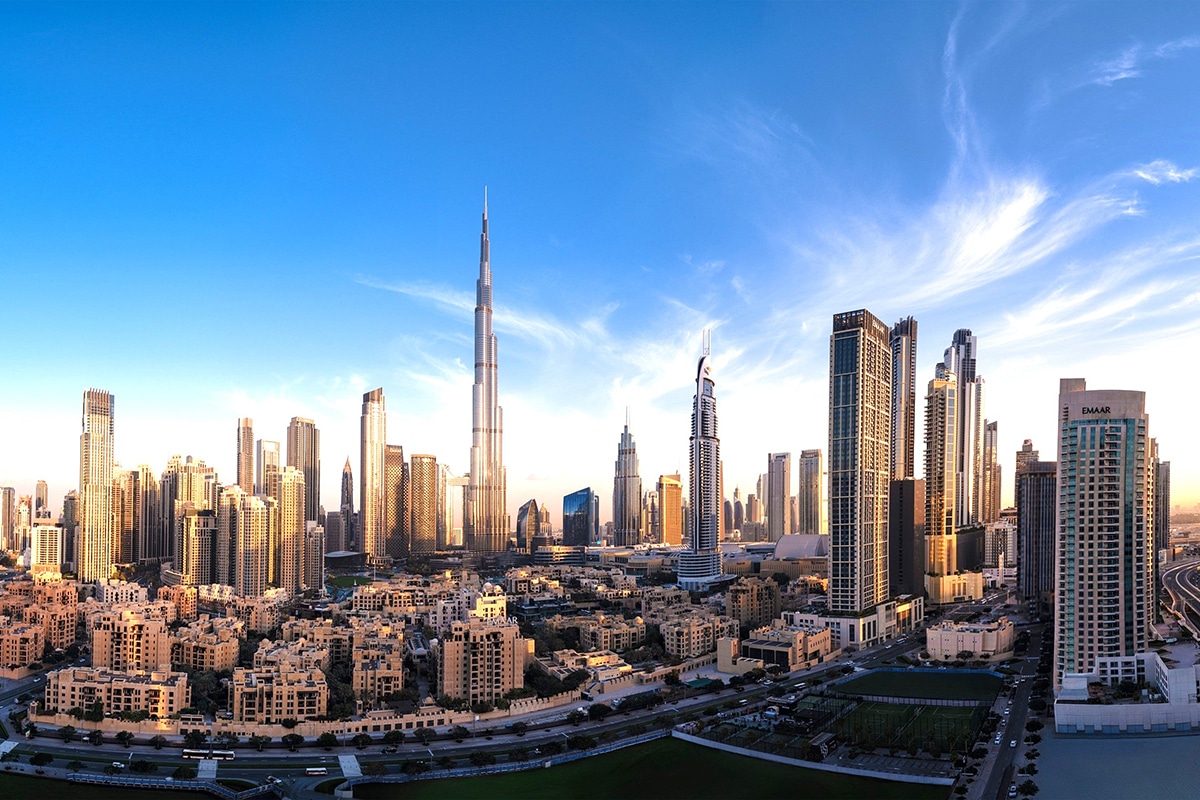
Established destinations such as Palm Jumeirah, Dubai Marina, and Downtown Dubai attract attention because of their infrastructure, lifestyle appeal, and global recognition.
Meanwhile, emerging waterfront communities are expanding the range of luxury investment options.
Dubai Islands and Dubai Creek Harbour are particularly relevant to investors interested in modern waterfront environments and long-term community development.
Important characteristics influencing premium property demand include architectural quality, privacy, waterfront access, developer reputation, and proximity to major commercial and leisure destinations.
Nevertheless, luxury assets require careful evaluation of resale liquidity, service charges, maintenance expenses, and the availability of comparable properties.
Rental Income Opportunities Remain Important
Rental income remains a significant consideration for investors purchasing residential properties in Dubai.
The city's expatriate population, professional workforce, international business environment, and established residential communities support demand for rental accommodation.
Apartments near employment centres, transport connections, educational institutions, and lifestyle amenities may appeal to different tenant categories.
Popular rental investment locations include:
- Jumeirah Village Circle: Residential apartments and family-oriented community facilities.
- Business Bay: Proximity to commercial offices and central Dubai.
- Dubai Marina: Established waterfront living and lifestyle amenities.
- Dubai Hills Estate: Integrated residential communities and recreational facilities.
- Jumeirah Lake Towers: Residential towers near business districts and transport links.
Investors researching rental yield in Dubai properties should distinguish between gross rental yield and net investment returns.
Service charges, maintenance expenses, property management costs, vacancy periods, and financing obligations can materially affect actual income.
Emerging Investment Locations Across Dubai
Location remains one of the most important considerations in identifying long-term real estate opportunities.
As Dubai expands, infrastructure investment and master-community development are creating new residential destinations.
Dubai South
Dubai South continues to attract interest because of its strategic location near Al Maktoum International Airport and major logistics infrastructure.
Its evolving residential landscape may appeal to investors focused on long-term development and future employment-related housing demand.
Dubai Creek Harbour
Dubai Creek Harbour combines waterfront residences, contemporary architecture, and access to established commercial districts.
Its development trajectory makes it relevant to buyers seeking premium apartments within a growing urban community.
Dubai Islands
Dubai Islands represents a major coastal development initiative featuring residential, hospitality, leisure, and waterfront infrastructure.
Investors should assess individual island locations, infrastructure completion, and project delivery schedules.
Meydan and Mohammed Bin Rashid City
These locations attract attention through master-planned developments, modern residential communities, and access to central Dubai.
Investment performance will depend on project quality, connectivity, and the balance between future supply and demand.
Infrastructure Development Influencing Property Demand
Infrastructure investment plays an important role in shaping Dubai real estate investment trends.
Transportation improvements, commercial districts, airports, and public amenities can influence residential accessibility and long-term community appeal.
Major initiatives include the Dubai Metro Blue Line, the expansion of Al Maktoum International Airport, and development under the Dubai 2040 Urban Master Plan.
Such projects may improve connectivity and support economic activity across surrounding communities.
However, infrastructure proximity does not automatically guarantee property appreciation.
Investors should consider actual accessibility, project delivery timelines, surrounding development density, and the potential impact of new residential supply.
Properties with reliable transport connections and established community amenities may offer stronger practical appeal to tenants and end-users.
Sustainable and Smart Residential Developments
Sustainability and technology are becoming increasingly relevant to Dubai's residential development landscape.
Property buyers are showing interest in buildings designed around energy efficiency, modern comfort, and convenient property management.
Developers are incorporating features such as:
- Energy-efficient lighting and building systems
- Smart-home automation and digital access controls
- Landscaped green spaces and pedestrian-friendly layouts
- Electric vehicle charging infrastructure
- Water-efficient landscaping solutions
- Modern security and building management technology
These features can contribute to residential convenience and operational efficiency.
However, investors should assess the actual performance, maintenance requirements, and service costs associated with smart-building technologies.
Sustainable features are most valuable when they deliver practical improvements rather than serving only as promotional claims.
Changing Investor Preferences and Market Behaviour
Dubai's real estate market is becoming increasingly differentiated by property type, location, and development quality.
Rather than concentrating exclusively on short-term appreciation, many investors are evaluating long-term income potential, construction quality, community maturity, and resale demand.
The availability of additional residential inventory may also create greater competition among developments.
Investors should evaluate several essential factors:
- Developer reputation and completed project history
- Property location and surrounding infrastructure
- Comparable rental demand and occupancy conditions
- Expected completion and handover schedules
- Long-term maintenance and ownership obligations
- Property registration and regulatory compliance
- Resale liquidity and future competing supply
Diversifying across suitable property types and locations may reduce concentration risk, although diversification cannot eliminate market fluctuations.
Long-Term Outlook for Dubai Property Investment
The Dubai real estate market outlook reflects a combination of established structural advantages and evolving short-term challenges.
Economic diversification, urban development, and international business activity continue to provide a foundation for long-term property demand.
At the same time, regional developments, changes in global investor confidence, financing conditions, and upcoming residential completions may influence transaction activity.
These conditions make careful investment research increasingly important.
Buyers considering Dubai property investment in 2026 should examine verified market data, neighbourhood-specific rental performance, developer reliability, and realistic investment holding periods.
A disciplined investment strategy should account for both potential growth and possible downside scenarios.
Conclusion
The latest Dubai real estate investment trends highlight a market shaped by off-plan development, luxury waterfront residences, evolving rental demand, infrastructure expansion, and increasingly selective investor behaviour.
Dubai continues to offer diverse residential investment opportunities, but identifying suitable properties requires careful market analysis, realistic financial expectations, and an understanding of individual community fundamentals.
Investors who prioritise location quality, developer credibility, sustainable rental demand, and long-term investment objectives can make better-informed property decisions.
Frequently Asked Questions
1. What are the latest Dubai real estate investment trends in 2026?
Major trends include growing off-plan developments, luxury waterfront properties, sustainable communities, and increasing interest in emerging investment locations.
2. Is Dubai real estate a good investment in 2026?
Dubai offers long-term investment opportunities supported by infrastructure development, rental demand, and economic growth, although returns are not guaranteed.
3. Which areas are best for property investment in Dubai?
Dubai South, Dubai Creek Harbour, Dubai Islands, Business Bay, and Dubai Hills Estate are popular areas worth evaluating for investment potential.
4. Are off-plan properties a good investment in Dubai?
Off-plan properties can offer flexible payment plans and potential capital appreciation, depending on location, developer reputation, and market conditions.
5. What factors influence Dubai property investment returns?
Location, rental demand, infrastructure development, property quality, market supply, and developer credibility are key factors influencing investment performance.