Dubai has become one of the most attractive real estate destinations for investors worldwide. With its strong economy, global connectivity, modern infrastructure, investor-friendly environment, and diverse property options, the city continues to attract buyers seeking long-term wealth creation and lifestyle opportunities.
A successful Dubai property investment approach helps investors understand the market, identify suitable locations, choose the right property type, and make informed decisions based on their financial goals. Whether you are a first-time buyer, an international investor, or someone looking to expand a real estate portfolio, understanding the fundamentals of Dubai’s property market is essential.
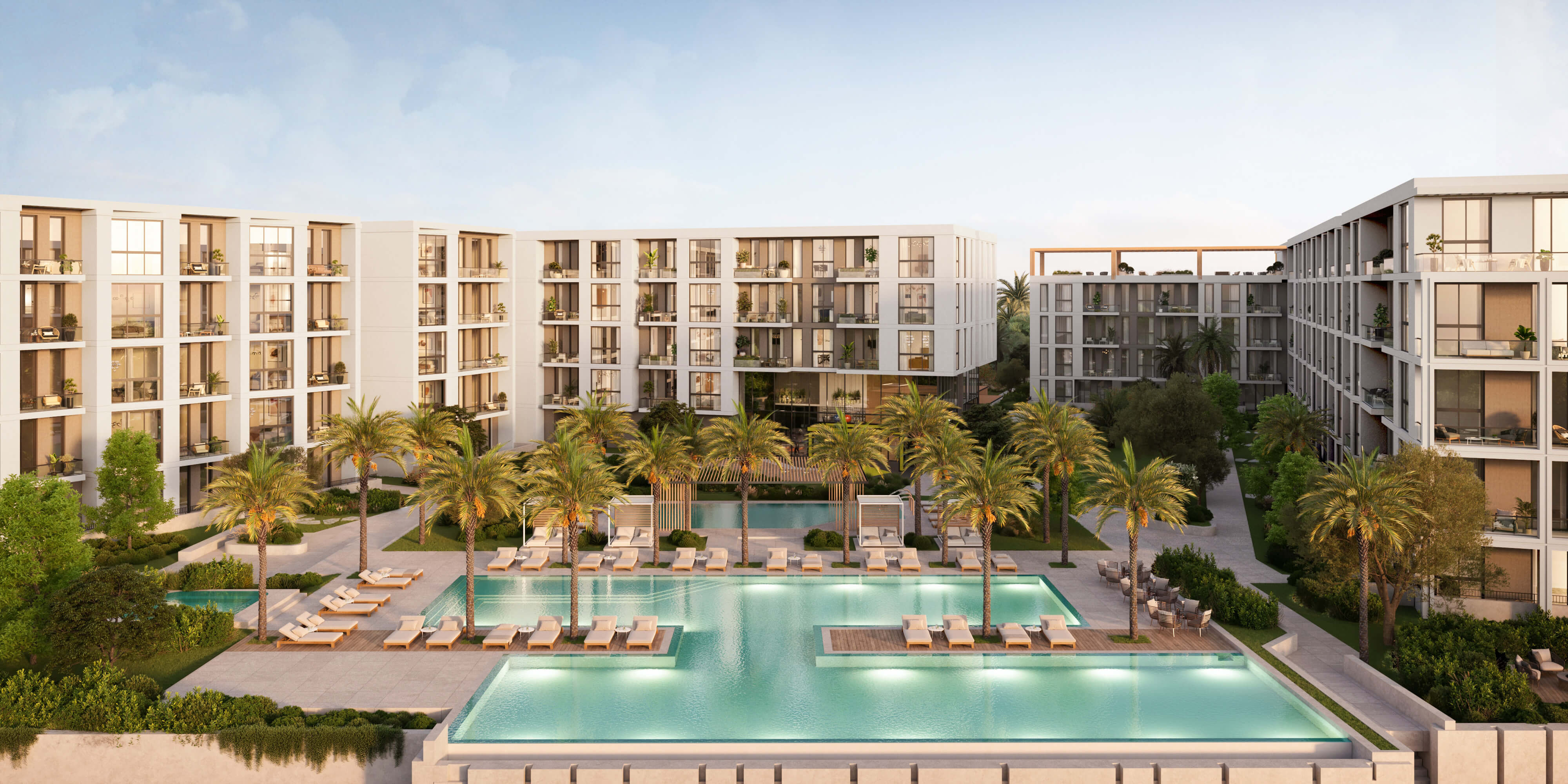
Dubai’s real estate sector offers opportunities across luxury apartments, waterfront residences, villas, townhouses, commercial properties, and upcoming communities. Each segment provides different advantages depending on investment objectives such as rental income, capital growth, lifestyle benefits, or long-term ownership.
Why Invest in Dubai Real Estate?
Dubai has developed into a global business and lifestyle destination, attracting residents, entrepreneurs, and investors from different parts of the world. The city’s strategic location between major international markets, excellent transport network, and continuous development have supported demand for residential and commercial properties.
Key reasons investors consider Dubai real estate include:
- Strong demand from local and international buyers
- Modern infrastructure and world-class communities
- Freehold ownership opportunities for foreign investors in designated areas
- Diverse property options across different locations and price points
- Growing demand for premium lifestyle residences
- Business-friendly environment and global connectivity
- Absence of capital gains tax on property sales in most cases
Dubai’s real estate market has evolved significantly, with established communities and new developments offering opportunities for different investment strategies.
Understanding Freehold Ownership for Foreign Investors
Foreign nationals can acquire freehold ownership—full and perpetual title—in designated freehold zones across Dubai. These zones include many of the city’s most established and popular residential and commercial districts. Freehold ownership allows buyers to sell, lease, mortgage, or pass the property to heirs without time restrictions.
Major freehold areas include Dubai Marina, Downtown Dubai, Business Bay, Palm Jumeirah, Dubai Hills Estate, Dubai Creek Harbour, Jumeirah Village Circle, Dubai South, and numerous master-planned communities. Outside these designated zones, ownership options for non-GCC nationals are typically limited to leasehold arrangements. Buyers should always confirm that a specific property falls within a freehold area through official Dubai Land Department records before proceeding.
No UAE residency visa is required to purchase freehold property. Ownership is registered with the Dubai Land Department, providing clear legal title.
Understanding Dubai Property Investment Options
Before investing, it is important to understand the different property categories available. Choosing the right type depends on your investment goals, budget, preferred location, and expected returns.
Apartments in Dubai
Apartments remain one of the most popular choices among investors because they appeal to a wide tenant market. Areas such as Dubai Marina, Downtown Dubai, Business Bay, Dubai Creek Harbour, and Jumeirah Village Circle attract professionals, families, and international residents.
Apartments can be suitable for investors looking for:
- Rental income opportunities
- Lower maintenance compared to larger properties
- High demand from tenants
- Access to lifestyle amenities and central locations
Luxury Villas and Townhouses
Dubai’s villa and townhouse communities attract investors seeking larger spaces, privacy, and premium lifestyle facilities. Areas such as Dubai Hills Estate, Palm Jumeirah, Mohammed Bin Rashid City, and Dubai South offer modern residential communities with family-focused amenities.
Villa investments are often considered by buyers looking for:
- Long-term ownership
- Spacious living environments
- Premium community facilities
- Potential capital appreciation
Commercial Real Estate
Commercial properties such as offices, retail spaces, and business units provide opportunities for investors interested in Dubai’s growing business ecosystem. Locations including Business Bay, Downtown Dubai, Dubai International Financial Centre (DIFC), and Sheikh Zayed Road are known for their commercial importance and connectivity.
Choosing the Right Location for Property Investment
Location plays one of the most important roles in real estate investment success. A well-connected location with strong infrastructure, nearby attractions, and future development plans can influence property demand and long-term value.
Important factors to consider include:
Connectivity
Properties close to major highways, metro stations, airports, and business districts often attract stronger demand from residents and businesses.
Community Development
Master-planned communities with schools, retail destinations, parks, healthcare facilities, and recreational areas provide long-term lifestyle value and sustained appeal.
Future Growth Potential
Investors should research upcoming infrastructure projects, new developments, and area expansion plans when selecting a location.
Popular investment areas in Dubai include:
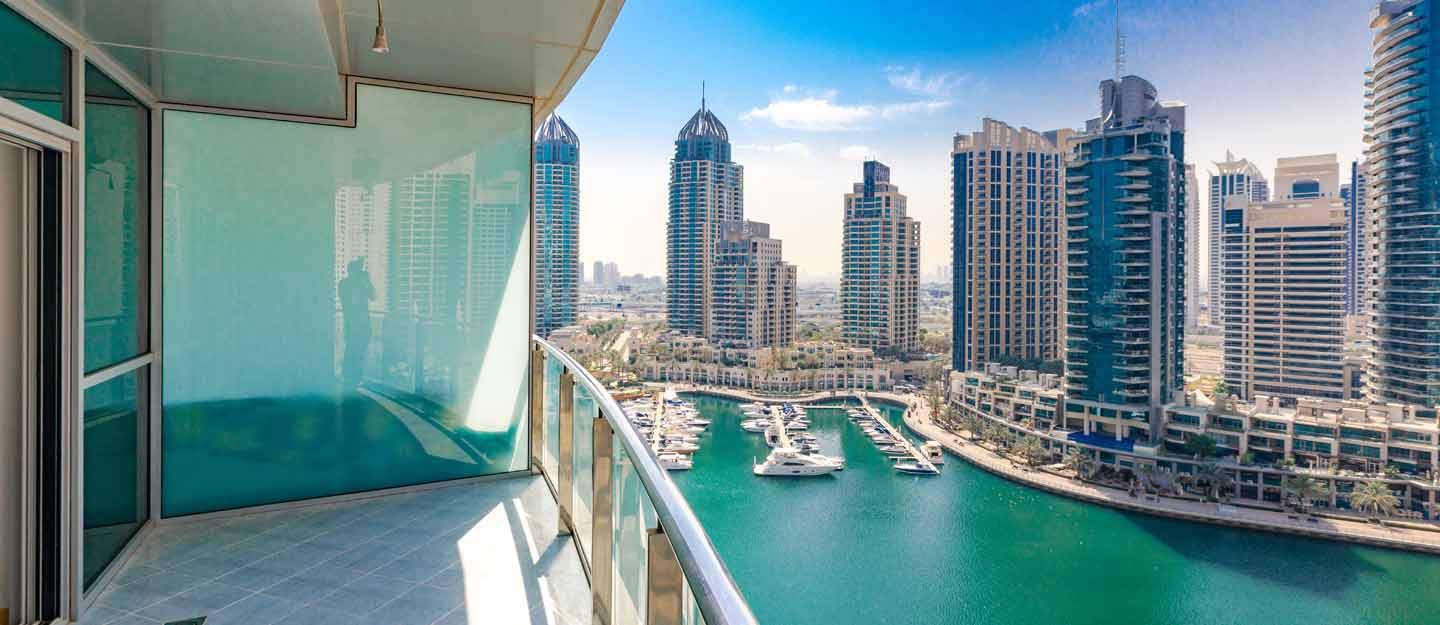
- Dubai Marina for waterfront lifestyle and established demand
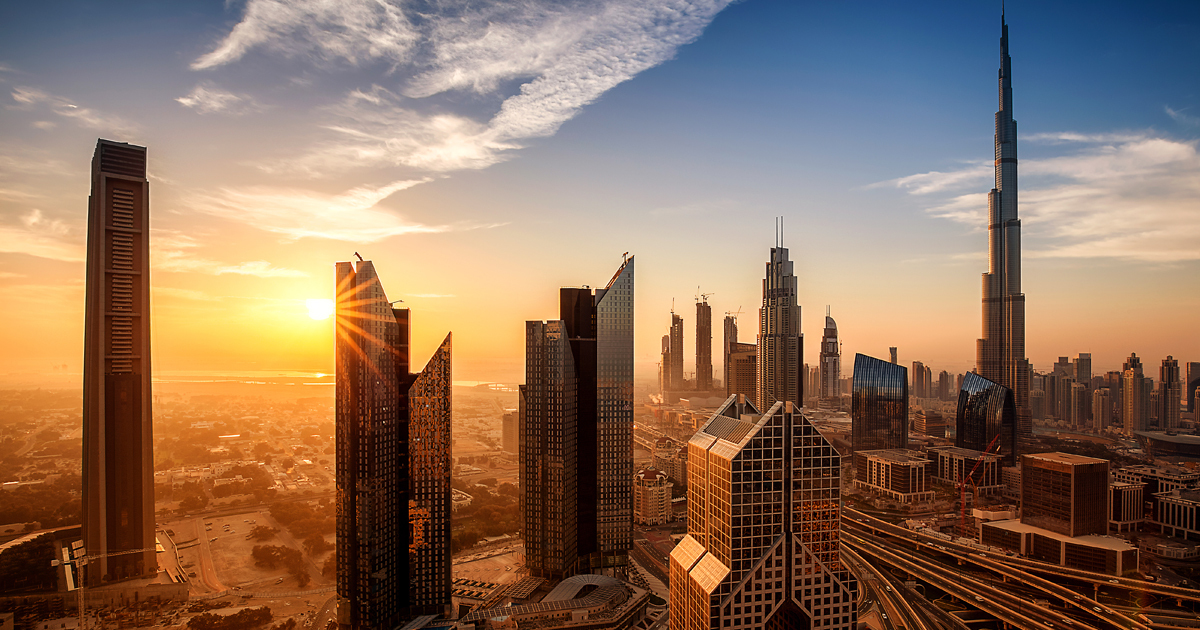
- Downtown Dubai for premium city living and iconic status
- Dubai Creek Harbour for future-focused waterfront developments
- Dubai Hills Estate for family-oriented communities
- Business Bay for residential and commercial demand
- Dubai South for longer-term growth opportunities linked to major infrastructure
Off-Plan Property Investment in Dubai
Off-plan properties are developments purchased before completion. This segment has become popular among investors because it provides access to new communities, modern designs, and structured developer payment plans.
When considering off-plan investments, investors should evaluate:
- Developer reputation and previous delivery record
- Project location and surrounding infrastructure
- Construction progress and community plans
- Market demand for the area and property type
- Legal documentation and project registration status
Dubai’s regulatory framework requires developers to register projects with the relevant authorities and maintain escrow accounts for buyer payments. Buyers should always verify project details and ensure the development follows official regulations before making investment decisions.
Ready Properties vs Off-Plan Properties
Both ready and off-plan properties offer different advantages depending on the investor’s priorities.
Ready Properties
Ready properties allow investors to:
- Start generating rental income immediately
- View the completed property and community before purchase
- Understand existing demand and amenities
- Complete the transaction and take ownership more quickly
Off-Plan Properties
Off-plan properties may provide:
- Access to newly designed developments and modern facilities
- Flexible payment structures spread over the construction period
- Early entry into emerging or expanding communities
- Opportunity to select preferred units at launch
The right choice depends on whether the investor prioritises immediate income and visibility or longer-term growth potential and payment flexibility.
Factors to Consider Before Investing in Dubai Property
A successful investment requires proper research and planning. Investors should consider several important factors before purchasing a property.
Define Your Investment Goal
Every investor has different objectives. Some focus on rental returns, while others prioritise capital growth or lifestyle benefits. Understanding your goal helps determine property type, location selection, investment timeline, and overall approach.
Research the Developer
The developer’s reputation influences construction quality, project delivery, and buyer confidence. Consider previous projects, delivery history, customer feedback, and market standing.
Understand Ownership and Documentation
Dubai provides clear freehold ownership opportunities for international investors in designated areas. Understanding ownership procedures, required documentation, and the registration process with the Dubai Land Department helps create a smoother investment experience.
Analyse Market Demand
Investors should evaluate rental demand, community popularity, nearby facilities, future development plans, and the balance of property supply and demand in the chosen area.
Account for Full Costs
Beyond the purchase price, budget for Dubai Land Department transfer fees (commonly 4%), agency commissions, registration costs, and ongoing service charges. These elements form part of the complete investment picture.
Benefits of Long-Term Dubai Property Investment
Dubai property investment can provide several potential benefits when approached with proper research and planning.
Portfolio Diversification
Real estate allows investors to diversify their assets by owning physical property in a globally recognised market.
Lifestyle Advantages
Many investors choose Dubai properties not only for financial reasons but also for access to a high-quality lifestyle, international schools, entertainment, healthcare, and business opportunities.
Global Investment Appeal
Dubai attracts buyers from multiple countries, creating a diverse property market with international demand and strong liquidity in established locations.
Flexible Ownership Structures
Freehold title in designated zones, combined with clear registration processes, supports long-term ownership and potential residency pathways linked to qualifying property investments.
Conclusion
A well-planned approach to Dubai property investment helps investors understand the opportunities available in one of the world’s most dynamic real estate markets. From luxury apartments and waterfront residences to villas and commercial properties, Dubai offers diverse options suited to different investment objectives.
Choosing the right location, analysing market demand, researching developers, understanding ownership rules, and planning with a clear long-term perspective are essential steps for successful property investment. With its modern infrastructure, freehold opportunities in designated areas, and continued development, Dubai remains an attractive destination for investors seeking both financial and lifestyle benefits.
By focusing on thorough research and aligning property choices with personal goals, investors can position themselves to take advantage of the opportunities the Dubai real estate market continues to offer.
Frequently Asked Questions
1. Is Dubai a good place for property investment?
Yes, Dubai is considered a popular destination for property investment due to its strong infrastructure, international demand, diverse property options, and continuous development of residential and commercial communities.
2. What types of properties can investors buy in Dubai?
Investors can choose from various property types, including luxury apartments, waterfront residences, villas, townhouses, off-plan developments, and commercial properties based on their investment goals.
3. Which are the best areas for property investment in Dubai?
Popular investment areas in Dubai include Dubai Marina, Downtown Dubai, Dubai Creek Harbour, Dubai Hills Estate, Business Bay, and Dubai South. Each location offers different advantages based on lifestyle, connectivity, and future development potential.
4. What should I consider before investing in Dubai real estate?
Before investing, buyers should evaluate factors such as location, developer reputation, property type, market demand, ownership regulations, and long-term investment objectives.
5. Is off-plan property investment a good option in Dubai?
Off-plan property investment can be a suitable option for investors looking for new developments and future growth opportunities. However, it is important to research the developer, project location, approvals, and market potential before making a decision.