The United Arab Emirates continues to attract international attention as a destination for real estate investment. Supported by modern infrastructure, a diversified economy, population growth, and an investor-friendly business environment, the country offers opportunities across residential, commercial, and luxury property segments. Understanding UAE investment property trends helps investors identify emerging locations, assess market demand, and develop informed long-term investment strategies.
Dubai remains a major contributor to the nation's real estate activity, while Abu Dhabi, Sharjah, and Ras Al Khaimah are gaining attention for their distinct investment opportunities. As investor preferences evolve, property selection increasingly focuses on lifestyle amenities, connectivity, sustainability, and long-term rental potential.
This guide explores the leading UAE real estate investment trends, emerging property markets, and important considerations shaping investment decisions.
Growing International Demand for UAE Investment Properties
International investment remains an important driver of the UAE property market. Buyers from Europe, Asia, the Middle East, and other regions continue exploring opportunities in established communities and newly developed residential destinations.
According to Dubai Land Department data, Dubai recorded significant real estate investment activity during the first quarter of 2026, demonstrating continued participation from domestic and international investors.
Several factors contribute to this interest, including economic diversification, international connectivity, modern infrastructure, and opportunities for property ownership in designated areas.
Foreign investors are particularly interested in developments offering accessible transportation, established community facilities, and quality residential environments.
The UAE's regulatory framework also contributes to investor confidence through property registration systems, regulated development procedures, and established ownership structures.
Increasing Popularity of Off-Plan Property Investments
One of the most significant UAE investment property trends is the continued popularity of off-plan residential developments. These properties are purchased before construction is completed, allowing investors to explore opportunities in newly planned communities.
Off-plan properties remain prominent in Dubai and Abu Dhabi, particularly in developments featuring integrated amenities, contemporary architecture, and strategic locations.
In Dubai, off-plan transactions represented a substantial share of residential sales during the first half of 2026. Abu Dhabi also recorded considerable off-plan activity, indicating investor interest in future residential supply.
Important considerations when evaluating off-plan investments include:
- Developer reputation and previous project delivery performance.
- Construction progress and anticipated completion schedules.
- Community infrastructure and surrounding development plans.
- Project registration and applicable escrow arrangements.
- Potential rental demand after property handover.
Investors should examine project documentation carefully and consider how future supply may influence market conditions.
Strong Interest in Ready-to-Move-In Properties
Although off-plan developments attract significant attention, completed residential properties remain important within the UAE real estate investment landscape.
Ready properties offer investors the opportunity to inspect the actual unit, evaluate existing building facilities, and assess the surrounding neighbourhood before completing a purchase.
For investors interested in rental income, completed homes may offer a shorter path to leasing compared with properties still under construction.
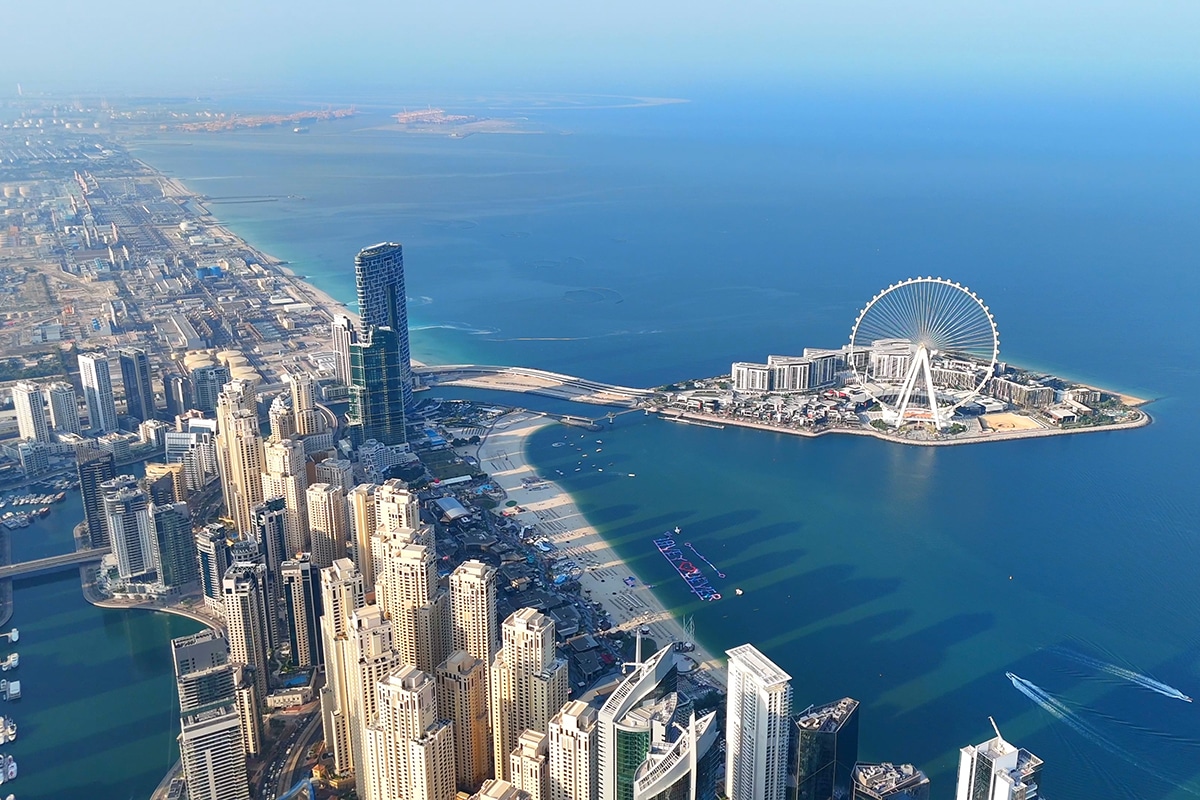
Popular locations for ready property investment include Dubai Marina, Jumeirah Village Circle, Downtown Dubai, Business Bay, and established residential communities across Abu Dhabi.
When assessing completed properties, investors increasingly consider building maintenance, service charges, occupancy patterns, tenant preferences, and the quality of property management.
The choice between ready and off-plan property ultimately depends on individual investment objectives, preferred timelines, and market conditions.
Expansion of Emerging Real Estate Investment Locations
The UAE property market is expanding beyond its traditional investment hotspots. New master-planned communities and infrastructure projects are encouraging investor interest in developing residential destinations.
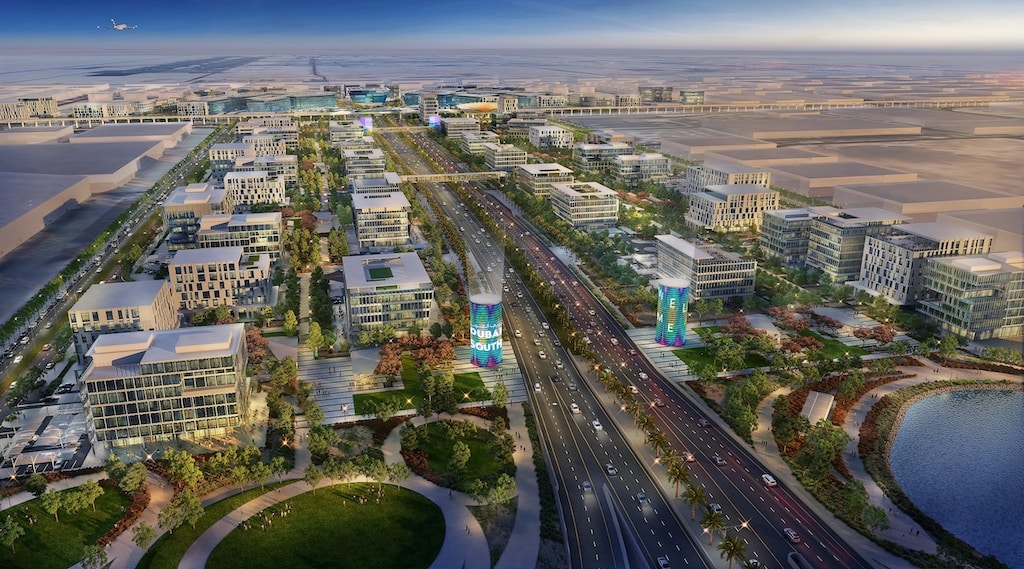
Dubai South is attracting attention because of its proximity to Al Maktoum International Airport and planned infrastructure expansion. Dubai Creek Harbour also remains relevant for investors exploring waterfront residences and integrated urban communities.
In Abu Dhabi, Yas Island, Saadiyat Island, Al Reem Island, and emerging development areas continue to attract residential investment.
Sharjah offers opportunities in communities such as Aljada and Maryam Island, while Ras Al Khaimah has gained visibility through tourism-led and waterfront development.
These expanding locations provide investors with opportunities to evaluate different property types, community environments, and long-term development prospects.
However, infrastructure announcements should be assessed alongside realistic completion schedules and existing demand.
Rising Demand for Luxury and Waterfront Residences
Luxury real estate continues to influence UAE investment property trends, particularly in Dubai and Abu Dhabi.
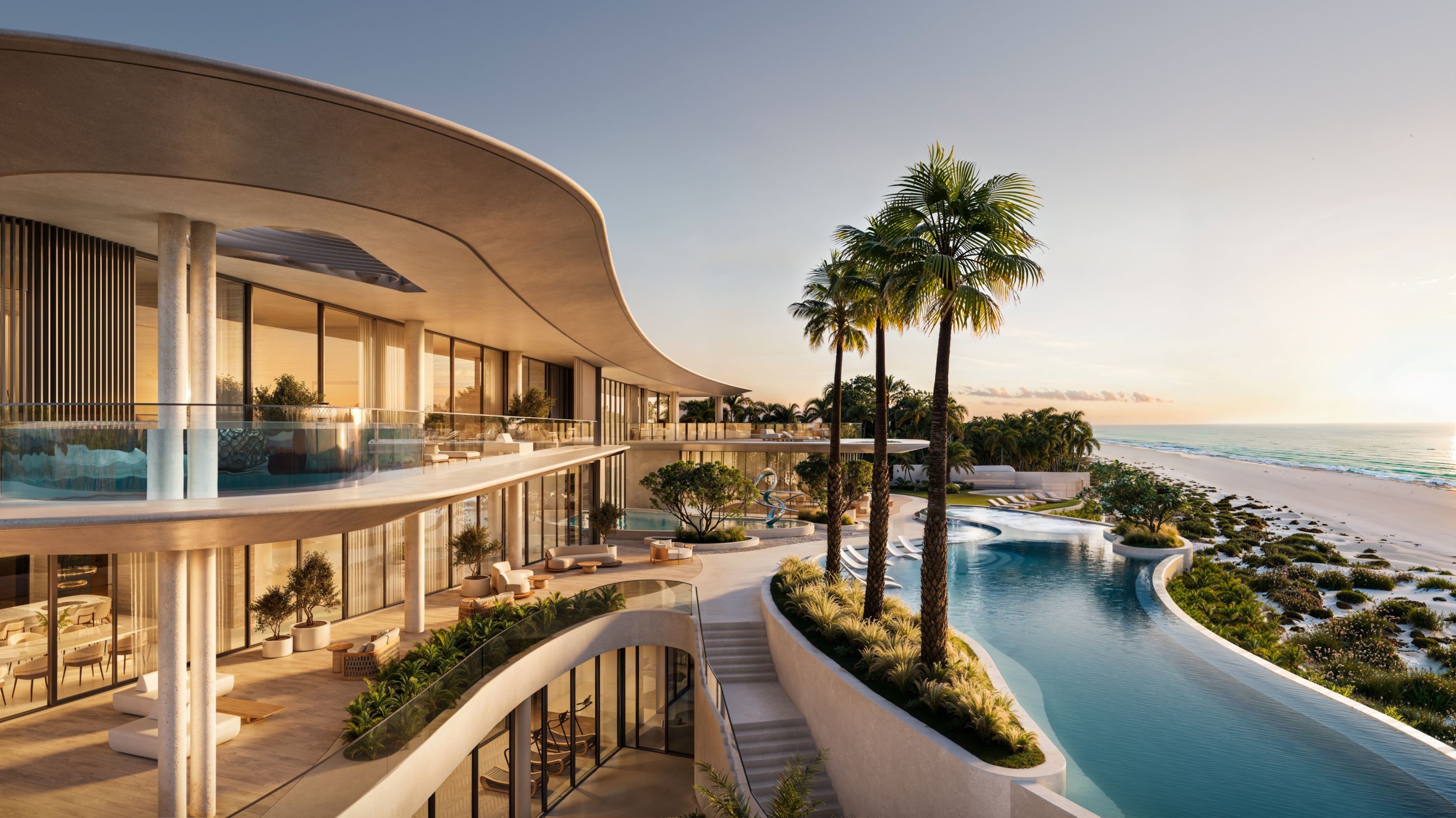
International buyers increasingly explore premium apartments, waterfront villas, branded residences, and exclusive residential communities featuring distinctive architecture and high-quality amenities.
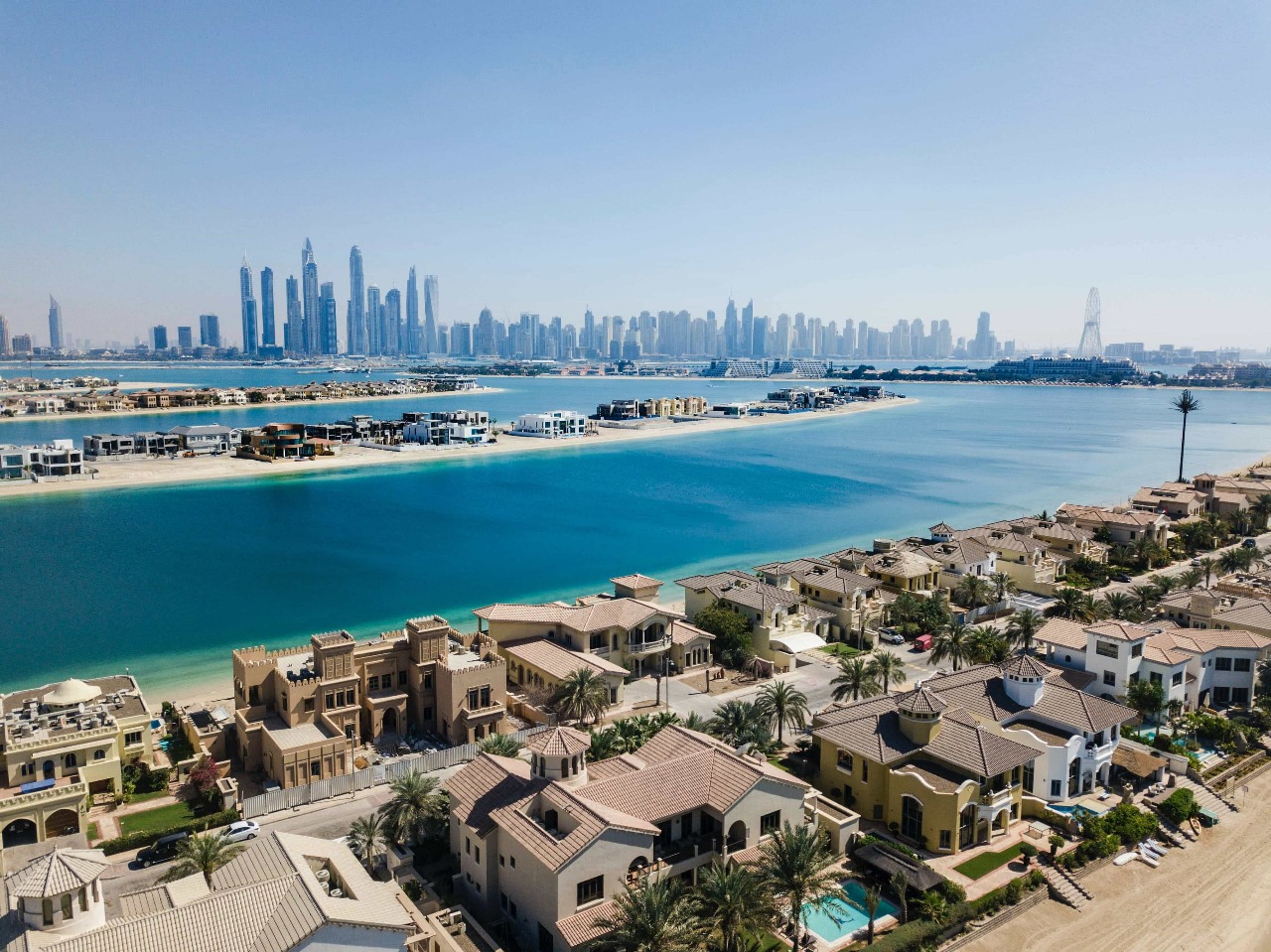
Palm Jumeirah, Dubai Marina, Dubai Hills Estate, and selected waterfront developments remain notable destinations within Dubai's luxury property market.
In Abu Dhabi, Saadiyat Island and Yas Island offer established lifestyle attractions alongside premium residential communities.
Luxury property buyers frequently prioritise privacy, architectural quality, waterfront access, spacious interiors, and proximity to leisure destinations.
For investors, factors such as limited comparable supply, development quality, and long-term neighbourhood appeal can influence property positioning within the premium market.
Nevertheless, luxury property performance varies considerably between projects, making detailed research essential.
Rental Demand Continues to Shape Investment Decisions
Rental income remains a major consideration for investors exploring UAE residential property opportunities.
The country's international workforce, business environment, and established expatriate communities contribute to demand for different residential formats, including apartments, townhouses, and villas.
Dubai Land Department reported continued expansion in registered tenancy activity during 2025, reflecting the importance of leasing within the wider property market.
Investors evaluating rental-focused properties should consider:
- Proximity to employment centres and business districts.
- Accessibility to public transportation and major roads.
- Nearby schools, healthcare facilities, and retail destinations.
- Building maintenance standards and community management.
- Local tenant demand, vacancy periods, and leasing regulations.
Rental yields differ across locations and property categories. Therefore, examining comparable leasing transactions and ongoing ownership expenses is essential before estimating investment returns.
Sustainable and Smart Residential Communities Gain Attention
Sustainability is becoming increasingly relevant to real estate development across the UAE. Developers are incorporating energy-efficient technologies, landscaped open spaces, pedestrian-friendly infrastructure, and smart building systems into modern residential communities.
Homebuyers and tenants may also consider indoor comfort, building efficiency, ventilation, accessibility, and environmental design when selecting properties.
Smart home technologies, digital access systems, and automated building management can improve convenience and support efficient property operations.
Developments combining practical sustainability features with community facilities may appeal to residents seeking comfortable long-term living environments.
However, investors should distinguish between promotional sustainability claims and measurable building performance, recognised certifications, or verified operational benefits.
Infrastructure Development Influences Property Investment
Infrastructure plays an important role in shaping UAE real estate demand. Transport networks, airport development, road improvements, and public facilities can influence accessibility and neighbourhood attractiveness.
In Dubai, the expansion of transport infrastructure and continued development around major economic zones may create opportunities for residential and commercial communities.
Connectivity remains especially relevant for investors examining locations near business districts, airports, logistics centres, and growing employment hubs.
Properties benefiting from convenient access to transport and essential services may attract interest from residents prioritising shorter commutes and practical lifestyles.
Nevertheless, infrastructure development does not automatically guarantee appreciation. Investors should evaluate present accessibility, future delivery timelines, and competing residential supply.
Future Outlook for UAE Real Estate Investment
The future direction of UAE investment property trends will depend on economic performance, population growth, construction deliveries, international investor demand, and infrastructure expansion.
Dubai is expected to remain an important real estate investment centre, while Abu Dhabi's expanding residential market and development activity continue creating opportunities across different communities.
Investors are also likely to place greater emphasis on developer credibility, property quality, rental fundamentals, and the balance between housing supply and demand.
Rather than relying exclusively on market momentum, successful property investment strategies require careful location analysis, realistic financial planning, and an understanding of individual ownership objectives.
Diversification across locations and property categories may also help investors align their portfolios with different investment horizons.
Conclusion
Understanding UAE investment property trends is essential for identifying opportunities in an evolving real estate market. Growing international participation, off-plan developments, established rental communities, luxury residences, and infrastructure expansion continue to influence property investment decisions across the Emirates.
Both emerging destinations and established residential neighbourhoods offer distinct advantages depending on investors' long-term objectives.
At Lovino Real Estate, investors can explore UAE property opportunities with guidance focused on location suitability, property quality, and informed decision-making. With careful research and a clear investment strategy, buyers can navigate the UAE real estate market with greater confidence.
Frequently Asked Questions
1. What are the latest UAE investment property trends?
The latest trends include growing demand for off-plan properties, luxury residences, waterfront developments, and sustainable communities.
2. Is the UAE a good place for property investment?
Yes, the UAE offers attractive investment opportunities supported by modern infrastructure, international demand, and investor-friendly property regulations.
3. Which areas are popular for property investment in the UAE?
Dubai Marina, Dubai South, Business Bay, Saadiyat Island, Yas Island, and Ras Al Khaimah are popular investment locations.
4. Are off-plan properties a good investment in the UAE?
Off-plan properties can offer long-term investment potential, depending on developer reputation, location, construction progress, and market demand.
5. What is the future of the UAE real estate market?
The UAE property market's outlook is supported by infrastructure expansion, population growth, and international investment, although returns depend on market conditions.